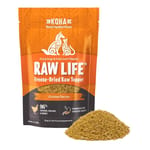
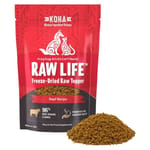
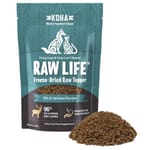
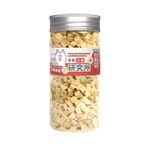
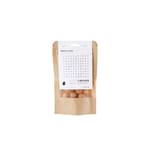
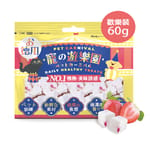
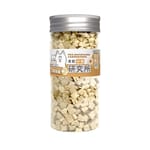
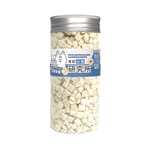
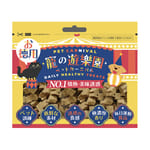
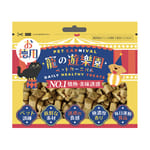
This category features a diverse range of snack products for both cats and dogs, primarily intended as dietary supplements or rewards. These other cat and dog treats encompass various forms, such as dry treats, semi-moist treats, and liquid treats, with differing compositions and textures designed to cater to various pets' chewing habits and nutritional requirements. Product designs prioritize palatability and digestibility, and some treats may contain specific flavors or additives to enhance pet interest. These products are commonly used for training, comforting, or simply providing additional sensory enjoyment, thereby enriching pets' daily lives. When selecting, appropriate cat and dog treats can be chosen based on the pet's size, age, and specific dietary considerations, ensuring they serve as a suitable complementary option to their main meals.
The category of other pet treats encompasses a diverse range of supplementary food items designed for domestic animals, primarily cats and dogs, that fall outside the definitions of staple diets or veterinary therapeutic formulations. These products serve various purposes within an animal's dietary regimen, often characterized by their specific material compositions and structural attributes. The items within this classification are generally intended for intermittent feeding rather than constituting a primary nutritional source, and their manufacturing processes vary significantly depending on the desired physical form and ingredient profile.
This article aims to describe the structural attributes, material compositions, and usage contexts within this broad category of other pet treats. The information presented focuses on verifiable, objective characteristics without recommending products or comparing potential advantages.
Other Pet Treats: Common Divisions and Applications
The category of other pet treats is commonly divided based on several factors, including the primary species for which they are intended, their physical form, and their processing method. While many products are formulated for both cats and dogs, some are specifically tailored to the physiological and behavioral characteristics of one species. For instance, dental chews for dogs often possess a firmer texture and larger size compared to feline-specific dental supplements. Physical forms range from soft, pliable chews to hard, brittle biscuits, and from dehydrated pieces to freeze-dried components. Processing methods also contribute to these divisions, with techniques like baking, extrusion, dehydration, and freeze-drying each imparting distinct structural and compositional properties. These divisions reflect practical applications, allowing pet owners to select other pet treats that align with specific feeding scenarios, such as training rewards, dental hygiene aids, or simply as supplemental dietary variety. The functional attributes of these items are directly influenced by their material composition and the methods employed in their creation. Understanding these common divisions provides a foundational perspective on the overall structure of the other pet treats market, highlighting the diverse ways in which these products are presented and utilized by consumers.
Other Pet Treats: Material Composition and Processing Techniques
The material composition and processing techniques employed in the creation of other pet treats are central to their final characteristics. Ingredients typically include various animal proteins, plant-derived components, and a selection of additives. Animal proteins, such as chicken, duck, beef, or fish, are frequently used as primary components, providing palatability and nutritional elements. Plant-based ingredients, including grains, vegetables, and fruits, may serve as binders, fiber sources, or additional nutrient providers. The specific ratios and types of these ingredients determine the texture, density, and nutrient profile of the final product. Processing techniques significantly alter the raw materials. For example, dehydration involves removing moisture through heat, resulting in a product with a concentrated flavor and a relatively firm texture. Freeze-drying, in contrast, involves freezing the material and then reducing the surrounding pressure to allow the frozen water to sublimate directly from the solid to the gas phase. This method typically preserves the original structure and nutrient content more effectively, often yielding a light, porous product that rehydrates easily. Extrusion, commonly used for kibble-like treats, involves forcing ingredients through a die at high temperatures and pressures, creating a uniform shape and density. Baking is another common method, producing products with a crunchy texture. Each of these processes impacts the shelf stability, physical properties, and bioavailability of nutrients within the other pet treats. Further, the inclusion of specific functional ingredients, such as probiotics, prebiotics, or joint-supporting compounds, is dictated by the formulation goals. The selection of materials and processing pathways is a deliberate choice, influencing not only the sensory characteristics but also the intended dietary function of these supplementary items. The precise interaction between material selection and manufacturing methodology defines the structural integrity and nutritional attributes of various other pet treats available in the market.
Other Pet Treats: Properties Across Usage Environments
The properties of other pet treats can vary significantly depending on their intended usage environment or specific conditions. For instance, treats designed for outdoor training sessions might prioritize durability and resistance to crumbling, ensuring they remain intact during handling and transport. Their texture might be firmer to withstand direct contact without disintegrating. Conversely, treats intended for indoor use, such as those given as an occasional indulgence, might have a softer texture that is easily consumed, minimizing mess. The moisture content of other pet treats is another property influenced by usage context. Low-moisture options, such as freeze-dried or dehydrated products, exhibit extended shelf stability and are less prone to spoilage, making them suitable for situations where refrigeration is unavailable or for longer storage periods. Higher-moisture treats, like soft chews, often require more stringent storage conditions, such as airtight containers or refrigeration after opening, to maintain their integrity and prevent microbial growth. Furthermore, the size and shape of other pet treats are often adapted to the specific animal and the feeding scenario. Smaller, bite-sized pieces are frequently used for training, allowing for rapid consumption and repeated rewards without overfeeding. Larger, more substantial chews might be provided for extended engagement, such as to alleviate boredom or support dental health. The ingredients themselves can also be chosen with environmental factors in mind. For example, some formulations might include ingredients less likely to attract insects if used outdoors. The packaging of other pet treats also plays a role in preserving properties across different environments, with resealable bags or rigid containers protecting against moisture, air, and physical damage. Therefore, the physical, chemical, and structural attributes of these items are not static but are often engineered to perform optimally within specific operational parameters, reflecting a consideration for various practical applications and storage requirements. This adaptability ensures that other pet treats can effectively serve their intended purpose across a spectrum of feeding situations.
Other Pet Treats: Product Characteristics from Sales Ranking
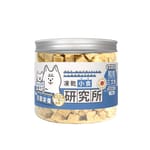
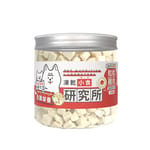
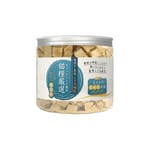
Rank 1: Freeze-Dried Snack Research Institute Chicken Bits Freeze-Dried 300g — This product consists of freeze-dried chicken, presented in small, uniform pieces. The processing method of freeze-drying removes moisture while largely preserving the cellular structure and nutrient profile of the raw chicken. The resulting texture is typically light and porous, designed for easy consumption and rehydration. The primary material is chicken, indicating a high protein content derived from animal sources. The 300g weight indicates a larger package size relative to some other options, suggesting a bulk offering. The structural integrity is maintained through the freeze-drying process, which minimizes shrinkage and retains the original form of the chicken pieces. As other pet treats, these are intended as a supplementary food.
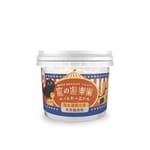
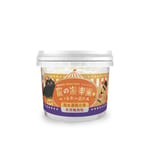
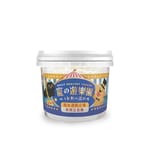
Rank 2: Pet Playground Treats Elite Freeze-Dried Duck Bits Light Tub 35g (For Cats & Dogs) — This item features freeze-dried duck meat, prepared into small, discrete pieces. The duck is the sole animal protein source listed, contributing to a specific flavor profile and nutrient composition. The "light tub" packaging suggests a lightweight, possibly smaller, container, consistent with the 35g net weight. The freeze-drying process ensures a low moisture content and a delicate, rehydratable texture. The formulation is indicated as suitable for both cats and dogs, implying a general palatability and nutritional suitability across these species. The product structure is characterized by the natural form of freeze-dried duck pieces, which are typically brittle and easily broken. These other pet treats are positioned for convenient dispensing and consumption.
Rank 3: Pet Playground Treats Elite Freeze-Dried Chicken Bits Light Tub 35g (For Cats & Dogs) — This product is composed of freeze-dried chicken, presented in small, individual bits. The primary ingredient is chicken, providing an animal protein source. Similar to the duck variant from the same brand, this product utilizes a freeze-drying method, which removes water content and results in a light, porous texture. The 35g net weight and "light tub" format indicate a smaller, perhaps single-serving or trial-sized, package. The formulation is designed for consumption by both cats and dogs, reflecting a broad application. The structural characteristics are those of freeze-dried poultry, meaning a dry, fragile form that can be easily crumbled or consumed whole. These other pet treats serve as a supplemental food item.
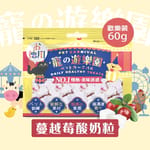
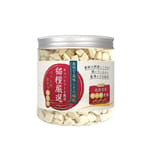
Rank 4: Pet Playground Select Cat & Dog Treats Freeze-Dried Snacks Dehydrated Chicken Bits 60g (Random Packaging) — This offering features dehydrated chicken pieces. The term "dehydrated" indicates a moisture removal process typically involving heat, which results in a firmer, chewier texture compared to freeze-dried products. Chicken is the primary material component. The 60g net weight represents a moderate package size. The "random packaging" note suggests variations in the external presentation of the product, but the internal content remains dehydrated chicken bits. These other pet treats are designed for both cats and dogs, offering a protein-rich supplement. The structural form is that of dried meat pieces, which are typically denser and more resistant to crumbling than freeze-dried counterparts.
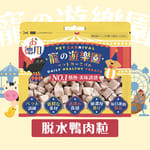
Rank 5: Pet Playground Select Cat & Dog Treats Freeze-Dried Snacks Dehydrated Duck Bits 60g (Random Packaging) — This product comprises dehydrated duck pieces. The material composition is predominantly duck meat. The dehydration process, similar to the chicken variant, reduces moisture through heat, resulting in a dense and chewy texture. The 60g net weight provides a moderate quantity of product. The "random packaging" aspect refers to variations in the outer container design. This product is formulated for both feline and canine consumption. As other pet treats, these dehydrated duck bits provide a protein supplement with a distinct texture and flavor profile, differing from freeze-dried options in their structural rigidity and moisture content.
Other Pet Treats: Quality Standards and Labeling Norms
Verifiable quality standards, labeling transparency, and documentation norms are crucial for the category of other pet treats. Regulatory bodies in various regions establish guidelines for pet food manufacturing, encompassing aspects from ingredient sourcing to final product labeling. For instance, in the United States, the Association of American Feed Control Officials (AAFCO) provides model regulations that many states adopt, dictating requirements for ingredient definitions, nutritional adequacy statements, and guaranteed analysis. The guaranteed analysis on a product label provides minimum percentages for crude protein and crude fat, and maximum percentages for crude fiber and moisture. These quantitative measures offer objective data on the macronutrient profile of the other pet treats. Ingredient lists are typically presented in descending order by weight, providing transparency regarding the primary components. Furthermore, manufacturers are expected to adhere to Good Manufacturing Practices (GMPs), which cover facility sanitation, process controls, and quality assurance protocols to ensure product safety and consistency. Some products may also carry certifications from independent organizations, indicating compliance with specific standards, such as those for organic ingredients or sustainable sourcing. Documentation norms often include batch numbers for traceability, allowing manufacturers to track ingredients from source to finished product. This level of detail is essential for recall procedures and quality investigations. Labeling also frequently includes feeding guidelines; while this article does not discuss usage recommendations, the presence of such guidelines is a standard documentation practice. The absence of artificial colors, flavors, or preservatives is sometimes highlighted on labels, reflecting consumer preferences and compositional choices made by manufacturers. The structural integrity and chemical composition of other pet treats are therefore subject to a framework of established standards and transparent reporting requirements, designed to provide consumers with factual information about the products they purchase. This regulatory environment fosters a degree of uniformity and reliability across the diverse range of other pet treats available on the market.
Other Pet Treats: Factual Insights
A verifiable factual insight concerning other pet treats relates to the moisture content of freeze-dried products. Freeze-drying typically reduces the moisture content of the raw material to below 5%, often as low as 1-2%. This extremely low moisture level is a primary factor in the extended shelf stability of these other pet treats, as it inhibits microbial growth and enzymatic activity without requiring artificial preservatives. The process involves sublimation, where ice transitions directly to water vapor, which minimizes damage to the cellular structure of the ingredients, thereby retaining many original nutrient compounds and the physical form of the material. Another factual insight pertains to the energy density of dehydrated versus fresh ingredients. When ingredients like chicken or duck are dehydrated to produce other pet treats, the removal of water significantly concentrates the remaining nutrients and calories by weight. For example, 100 grams of dehydrated chicken will contain substantially more protein, fat, and calories than 100 grams of fresh chicken, due to the absence of water which contributes mass but no caloric value. This concentration means that smaller quantities of dehydrated other pet treats can deliver a significant nutritional impact, which is a consideration in their formulation and recommended serving sizes, while this article does not recommend particular use cases, the factual basis of concentration remains. These characteristics are inherent to the processing methods and material science involved in creating these types of other pet treats, demonstrating specific outcomes of manufacturing choices.
The preceding discussion has detailed the structural characteristics, material compositions, processing methods, and regulatory aspects pertinent to the category of other pet treats. The various product forms, ingredient choices, and manufacturing techniques contribute to the diverse range of items within this classification. The information provided is based on objective attributes and established industry practices.
......View All