Pets Life dog treats encompass a range of snack products specifically formulated for canines. These treats are typically utilized for reward-based training, dental hygiene, or as supplementary additions to a dog's regular diet. The variety of Pets Life dog treats includes dental chews, jerky, biscuits, and freeze-dried options, each featuring distinct ingredient compositions and textures to cater to diverse canine requirements. Some products may contain single-source proteins or a combination of ingredients, and are available in various sizes to suit the chewing abilities and body sizes of puppies, adult dogs, and senior dogs. Products within this category are intended to provide dogs with opportunities for chewing and serve as positive reinforcement tools for desired behaviors. When selecting Pets Life dog treats, considerations can be made based on the dog's age, weight, and specific needs to ensure product suitability. These types of treats do not possess properties for treating or ameliorating specific health conditions.
Dog treats, as a category of supplementary food items for canines, encompass a diverse range of products designed to be offered in addition to a dog's primary diet.
This article aims to describe the structural attributes, material composition, and usage context within the dog treat category, without providing product recommendations or comparing advantages.
Dog Treats: Common Classification Systems
The classification of dog treats often reflects their intended purpose, form, or primary ingredient. One common method of categorization differentiates treats based on their functional role. This functional division includes training treats, which are typically small and easily consumable, designed for frequent reward during behavioral training sessions. Another functional class comprises dental chews, formulated and structured to assist in mechanical abrasion of dental plaque and tartar during mastication. A third functional category includes recreational chews, which are often larger and more durable, intended to provide extended chewing activity and mental engagement. Beyond function, dog treats are also frequently classified by their physical form. This includes soft chews, which possess a pliable texture; crunchy biscuits or kibble-like treats, characterized by a firm, brittle structure; and jerky-style treats, which are typically dried, thinly sliced pieces of meat or plant-based material with a chewy consistency. Further distinctions can be made based on ingredient profiles, such as single-ingredient treats, multi-ingredient formulations, or those specifically marketed as grain-free or limited-ingredient options. The practical application of these classifications aids manufacturers in product development and retailers in merchandising, while also providing a framework for understanding the variety available within the dog treats market.
Dog Treats: Material Composition and Processing Techniques
The material composition of dog treats varies significantly, influencing their texture, nutritional profile, and shelf stability. Primary ingredients often include various animal proteins such as chicken, beef, lamb, and fish, which are frequently presented as muscle meat, organ meat, or rendered meal. Plant-based ingredients, such as grains (e.g., wheat, corn, rice, barley), legumes (e.g., peas, lentils, chickpeas), and vegetables (e.g., sweet potatoes, carrots), are also common, serving as carbohydrate sources, binders, or fiber providers. Fats, sourced from animal or vegetable origins, contribute to palatability and provide energy density. Fortification with vitamins, minerals, and other dietary supplements is also a common practice to enhance the nutritional value of dog treats. Processing techniques are diverse and directly impact the final product's characteristics. Extrusion is a widely used method, particularly for crunchy biscuits and kibble-like treats, involving cooking ingredients under high heat and pressure, then forcing them through a die to shape. Dehydration or air-drying is employed for jerky-style treats and some single-ingredient options, removing moisture to inhibit microbial growth and concentrate flavors. Baking is another technique, especially for biscuit-type dog treats, where a dough is heated in an oven. Freeze-drying involves freezing ingredients and then reducing the surrounding pressure to allow ice to sublimate directly into vapor, preserving nutrient integrity and creating a lightweight, porous product. Molding and pressing are used for dense chews or treats with specific shapes, often involving a mixture of ingredients compressed into a form. The selection of ingredients and processing methods directly determines the structural integrity, palatability, and preservation characteristics of the finished dog treats.
Dog Treats: Variability Across Usage Environments
The properties of dog treats can exhibit variability across different usage environments or conditions, primarily due to factors such as temperature, humidity, and storage practices. For instance, the textural characteristics of certain dog treats, particularly those with higher moisture content or a softer consistency, can be affected by ambient temperature. In warmer, more humid environments, some soft chews may become stickier or more pliable, potentially leading to clumping if not stored properly. Conversely, in colder conditions, some treats might become firmer or more brittle. Humidity levels are particularly critical for dehydrated or air-dried dog treats; exposure to high humidity can lead to moisture absorption, which may compromise their intended texture and potentially increase the risk of microbial spoilage if not stored in airtight containers. Low humidity, while generally favorable for preservation, can also contribute to excessive drying and brittleness in some product types. Storage duration also plays a role; even under optimal conditions, the chemical and physical properties of dog treats can change over time due to natural degradation processes, such as oxidation of fats, which can affect palatability and nutritional quality. Packaging, therefore, assumes a significant role in mitigating these environmental impacts. Airtight, opaque packaging helps to protect dog treats from moisture, light, and oxygen, thereby extending their shelf life and maintaining their intended characteristics until consumption. Understanding these environmental influences is crucial for maintaining the integrity and quality of dog treats from production to consumption.
Dog Treats: Product Characteristics from Sales Ranking
Based on observed sales data, specific dog treats demonstrate distinct material and structural attributes.
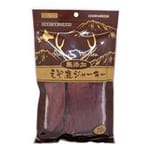
Rank 1: Pets Life Hokkaido Hidaka Venison Cubes 70g (GS-94001) — This product consists of venison, specifically sourced from Hokkaido Hidaka. The material is primarily muscle tissue from deer. Structurally, it is presented in a cubed form, indicating a process of cutting and possibly air-drying or gentle dehydration to retain a firm yet chewable texture. The cubing process ensures uniform portioning. The composition is largely proteinaceous, with inherent fats and moisture content characteristic of venison. The absence of additional binding agents suggests a focus on the natural integrity of the meat. The 70g unit size indicates a consumer-oriented packaging for individual or limited feeding. These dog treats are characterized by their single-ingredient focus and distinct physical shape.
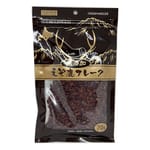
Rank 2: Pets Life Hokkaido Hidaka Minced Venison 70g (GS-94002) — This item also features venison from Hokkaido Hidaka as its primary ingredient. However, its structural characteristic is minced, meaning the venison has been finely ground or shredded. This format results in a different texture profile compared to the cubed version, likely softer and more easily broken apart. The mincing process increases the surface area, which can influence palatability and ease of consumption, particularly for dogs with dental sensitivities or smaller breeds. The material composition remains venison, with appropriate processing to achieve the minced consistency, potentially involving a drying or low-temperature cooking method to preserve the material while achieving the desired texture for dog treats. The 70g packaging is consistent with the cubed variant, suggesting a similar market positioning in terms of quantity.
Dog Treats: Quality Standards and Labeling Norms
The quality standards and labeling transparency for dog treats are governed by a combination of regulatory frameworks and industry practices, varying by geographical region. In many jurisdictions, dog treats are classified as animal feed or pet food, subjecting them to regulations concerning ingredient safety, manufacturing processes, and labeling requirements. Key aspects of these standards often include the accurate declaration of ingredients, typically listed in descending order by weight. This provides consumers with verifiable information regarding the primary components of dog treats. Nutritional guarantees are also a common requirement, often presented as a "Guaranteed Analysis" panel, which specifies minimum percentages of crude protein and crude fat, and maximum percentages of crude fiber and moisture. These figures provide objective data on the macronutrient profile. Furthermore, labeling norms often mandate the inclusion of the manufacturer's or distributor's name and contact information, the net weight of the product, and a "best by" or expiration date, indicating the period during which the product is expected to retain its quality under proper storage conditions. Certain claims, such as "organic," "grain-free," or "all-natural," are typically subject to specific definitions and verification processes, requiring manufacturers to adhere to prescribed criteria to use such descriptors. For example, "organic" claims usually necessitate certification from a recognized authority, ensuring that ingredients meet specific production and handling standards. Documentation norms often involve maintaining records of ingredient sourcing, production batches, and quality control tests, which can be audited to verify compliance with established standards. The provision of these verifiable details on packaging allows for an objective assessment of the product's composition and manufacturing integrity within the dog treats category.
Dog Treats: Factual Insights
A verifiable factual insight regarding dog treats relates to the role of specific processing methods in nutrient retention. For example, freeze-drying, a process involving the removal of water from frozen material through sublimation, is recognized for its ability to preserve the heat-sensitive nutrients and enzymatic activity present in raw ingredients to a higher degree than conventional high-heat drying methods. This occurs because the material is never subjected to elevated temperatures that can denature proteins or break down certain vitamins. The resulting product typically maintains a structure that can be rehydrated effectively or consumed in its dry, brittle state. Another factual insight pertains to the structural design of dental dog treats. Many dental chews are engineered with specific shapes, textures, and densities not for palatability alone, but to maximize mechanical friction against the tooth surface during chewing. These designs, often incorporating ridges, nubs, or a porous matrix, are intended to aid in the removal of plaque and tartar buildup. The efficacy of such dog treats in dental hygiene is often supported by studies that measure reductions in plaque and tartar accumulation over a defined period of consistent use, demonstrating a direct correlation between the physical attributes of the treat and its functional outcome in oral health maintenance.
The preceding information provides an overview of the structural, material, and contextual attributes of dog treats. The discussion has focused on verifiable, objective data points without engaging in product comparisons or recommendations.
......View All