Oven Baked cat treats refer to feline snacks prepared through a baking process, commonly found in forms such as jerky, biscuits, or small bite-sized pieces. The production of these treats typically involves baking raw ingredients at specific temperatures to remove moisture and impart a unique texture and flavor. Due to their manufacturing process, Oven Baked cat treats may exhibit a crispier or firmer consistency, suitable for feline chewing. Various flavor options are available in the market, such as duck, to cater to different cat preferences. These treats serve primarily as a supplement to a cat's daily diet rather than a main meal; attention to ingredient composition is advisable when selecting them. The production method of Oven Baked cat treats offers certain advantages in terms of preservation, making them a common category of pet treats.
Oven-baked cat treats represent a specific category of pet food supplements manufactured through a baking process, distinguishing them from extruded, freeze-dried, or air-dried alternatives.
This article aims to describe the structural attributes, material composition, and processing methods within the oven-baked cat treat category, without providing product recommendations or comparative advantages.
Oven-Baked Cat Treats: Classification by Formulation Type
The category of oven-baked cat treats is commonly divided based on their primary formulation type, reflecting variations in dietary considerations and ingredient profiles. One significant classification distinguishes between grain-inclusive and grain-free formulations. Grain-inclusive treats typically incorporate cereals such as rice, corn, wheat, or oats as binders and carbohydrate sources. These grains contribute to the treat's structural integrity and caloric content. In contrast, grain-free oven-baked cat treats are formulated without these cereal ingredients, often substituting them with alternative carbohydrate sources like peas, potatoes, or lentils, or increasing the proportion of animal-derived proteins. This distinction in formulation directly influences the ingredient list and may cater to specific dietary preferences or requirements. Another common classification involves the primary protein source. Treats are often categorized by whether they feature poultry (e.g., chicken, duck), fish (e.g., tuna, salmon, bonito), or other animal proteins as their dominant ingredient. This classification provides a clear indicator of the treat's flavor profile and its primary nutritional contribution. Furthermore, some oven-baked cat treats are classified by their functional additives, such as those incorporating taurine for cardiovascular health, probiotics for digestive support, or specific vitamins and minerals for overall well-being. These functional classifications indicate an intentional design beyond basic nutritional provision. The physical form of the treat also serves as a classification criterion. Treats can be presented as small pieces, flakes, or larger chewable items, each designed for different consumption experiences. These classifications are utilized by manufacturers and retailers to organize and present their product lines, offering a framework for understanding the product landscape of oven-baked cat treats.
Oven-Baked Cat Treats: Material Composition and Processing Techniques
The material composition of oven-baked cat treats typically centers on a combination of protein sources, carbohydrate binders, fats, and supplemental nutrients. Protein sources are predominantly animal-derived, including various meats, poultry, and fish. These ingredients provide essential amino acids crucial for feline physiology. For instance, fish-based treats often utilize bonito or tuna, providing omega fatty acids and specific B vitamins. Poultry-based treats, such as those made with chicken or duck, offer lean protein and a different amino acid profile. Carbohydrate components, whether from grains or grain-free alternatives, serve as binding agents and energy sources, contributing to the treat's texture and structural stability during the baking process. Fats, derived from animal or plant sources, add palatability and provide concentrated energy. Essential fatty acids are often included. Vitamins, minerals, and other dietary supplements like taurine are incorporated to enhance the nutritional profile of the oven-baked cat treats. The processing technique, specifically oven baking, involves mixing raw ingredients into a dough or paste, forming them into desired shapes, and then subjecting them to controlled heat in an oven. This baking process reduces moisture content, extending shelf life and altering the texture to a firmer, often crunchy consistency. The temperature and duration of baking are critical parameters, influencing nutrient retention, palatability, and microbial safety. Unlike extrusion, which uses high pressure and temperature to create dense kibble, oven baking generally employs lower temperatures over a longer period. This method aims to preserve the integrity of certain heat-sensitive nutrients to a greater extent than some other high-heat processing methods. The resultant oven-baked cat treats exhibit a specific density and porosity, which are characteristic of this manufacturing approach. The precise ratios of ingredients determine the final texture, from a softer chew to a harder crunch, which can also influence the rate of consumption.
Oven-Baked Cat Treats: Properties in Diverse Usage Environments
The properties of oven-baked cat treats can vary based on their intended usage environment or specific application contexts. For instance, treats designed for indoor cats might prioritize lower caloric density to align with reduced activity levels, while those for more active outdoor cats could offer a higher energy content. The physical form of oven-baked cat treats also influences their suitability for different scenarios. Smaller, easily digestible pieces are often preferred for training purposes, allowing for frequent rewards without excessive caloric intake. Conversely, larger, firmer pieces might be intended for extended chewing, potentially serving as a dietary supplement for dental health by promoting mechanical abrasion against tooth surfaces. The moisture content, a direct result of the oven-baking process, contributes to the shelf stability of the treats. Their low moisture content makes them suitable for storage in various climates without requiring refrigeration, provided they are kept in airtight containers to prevent moisture absorption and spoilage. This property is particularly relevant in environments where consistent refrigeration is not feasible. Furthermore, the texture imparted by baking can impact how oven-baked cat treats are consumed by cats of different ages or dental conditions. Softer baked treats may be more suitable for kittens or senior cats with sensitive gums or compromised dentition, whereas harder varieties are more appropriate for adult cats with strong teeth. The inclusion of specific functional ingredients also tailors oven-baked cat treats to particular usage environments. For example, treats containing prebiotics or probiotics might be used to support digestive health in cats experiencing gastrointestinal sensitivities, while those fortified with omega-3 fatty acids could be intended to support skin and coat health, particularly in environments with dry air or specific dermatological concerns. These variations demonstrate how the inherent characteristics of oven-baked cat treats are adapted to meet diverse practical applications.
Oven-Baked Cat Treats: Product Characteristics Based on Sales Ranking
This section outlines the material and structural characteristics of specific oven-baked cat treats based on their sales ranking, without offering any assessment of quality or recommendation.
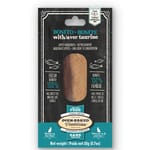
Rank 1: Oven-Baked Cat Treats Grain-Free Succulent Bonito Flakes with Taurine 20g — This product consists of bonito flakes, which are a common protein source in feline diets, particularly valued for their palatability. The formulation is designated as grain-free, indicating the absence of cereal grains such as corn, wheat, or rice. The inclusion of taurine suggests a fortified nutritional profile, as taurine is an essential amino acid for cats, supporting cardiovascular function and retinal health. The "flakes" descriptor indicates a specific structural form, typically thin, dried pieces. The net weight is 20 grams, representing a small, concentrated portion of oven-baked cat treats.
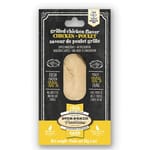
Rank 2: Oven-Baked Cat Treats Grain-Free Succulent Roasted Chicken Strips 30g — This item features roasted chicken as its primary protein source, which is a widely accepted and palatable ingredient for felines. Similar to the Rank 1 product, it is formulated to be grain-free, meaning it excludes common cereal grains. The "strips" description denotes a distinct physical shape, suggesting elongated pieces rather than flakes. The roasting process, prior to or as part of baking, contributes to the flavor profile and texture. The net weight for this product is 30 grams, offering a slightly larger quantity compared to the bonito flake variant of oven-baked cat treats.
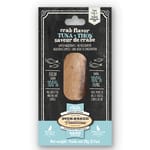
Rank 3: Oven-Baked Cat Treats Grain-Free Succulent Crab Flavored Tuna Flakes 20g — This product combines tuna flakes with a crab flavor, indicating a dual-profile protein and flavor composition. Tuna is a common fish protein in cat treats. The inclusion of "crab flavored" suggests the addition of flavoring agents to enhance palatability, which may be natural or artificial. The treat is specified as grain-free. The form factor is "flakes," similar to the bonito product, implying thin, dried pieces. The net weight for this oven-baked cat treats offering is 20 grams.
Oven-Baked Cat Treats: Quality Standards and Labeling Norms
Quality standards for oven-baked cat treats are typically governed by regulatory bodies in the regions where they are manufactured and sold. These standards address aspects such as ingredient sourcing, manufacturing hygiene, nutritional adequacy, and contaminant limits. For example, in North America, the Association of American Feed Control Officials (AAFCO) provides guidelines for pet food ingredients and labeling, which are often adopted by state feed control officials. In the European Union, regulations from the European Pet Food Industry Federation (FEDIAF) offer similar guidance. These standards ensure that oven-baked cat treats are safe for consumption and accurately represented to consumers. Labeling transparency is a crucial element within this framework. Labels on oven-baked cat treats are generally required to list ingredients in descending order by weight, providing consumers with information about the primary components. This allows for identification of protein sources, carbohydrate types, and any added supplements. Nutritional guarantees, often presented as a "guaranteed analysis," specify minimum percentages of crude protein and crude fat, and maximum percentages of crude fiber and moisture. This quantitative data provides insights into the basic nutritional composition of the oven-baked cat treats. Furthermore, claims such as "grain-free" or "natural" must adhere to specific definitions established by regulatory bodies or industry standards. For instance, a "grain-free" label indicates the absence of particular cereal grains. Documentation norms extend to batch codes and expiration dates, which are essential for traceability and ensuring product freshness. Manufacturers often adhere to Good Manufacturing Practices (GMPs), which are a set of guidelines outlining procedures for producing safe and consistent products. These practices encompass raw material inspection, processing controls, quality assurance testing, and proper storage. The collective application of these standards and norms ensures a baseline level of product integrity and consumer information for oven-baked cat treats.
Oven-Baked Cat Treats: Factual Insights
One verifiable factual insight regarding oven-baked cat treats pertains to the Maillard reaction. During the baking process, the interaction between amino acids and reducing sugars at elevated temperatures results in the Maillard reaction. This chemical process is responsible for the browning of the treats and the development of complex flavor compounds, which contribute significantly to their palatability for felines. The specific temperature and duration of baking directly influence the extent of the Maillard reaction, thereby affecting both the visual appearance and the aromatic profile of the finished oven-baked cat treats. This reaction is a fundamental characteristic distinguishing baked products from those processed through other means that do not involve dry heat. Another factual insight relates to the moisture content and its impact on shelf stability. Oven baking significantly reduces the moisture content of the raw ingredients, typically bringing it down to below 10%. This low moisture level inhibits the growth of microorganisms such as bacteria and mold, which require higher water activity to thrive. Consequently, oven-baked cat treats generally possess a longer shelf life compared to high-moisture or raw food products, without the need for refrigeration. This characteristic makes them a convenient and stable option for pet owners, enabling prolonged storage at ambient temperatures, provided they are kept in appropriate packaging to prevent rehydration. The reduction in water activity is a direct and measurable outcome of the oven-baking process, contributing to the practical aspects of product distribution and consumer use for oven-baked cat treats.
This article has described the classifications, material compositions, processing techniques, usage contexts, product characteristics, and quality standards associated with oven-baked cat treats, based on verifiable and objective information.
......View All