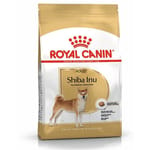
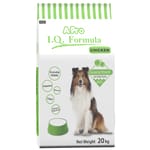
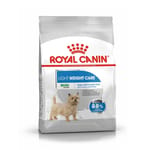
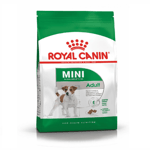
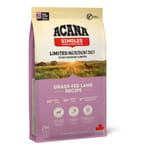
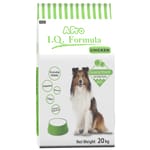
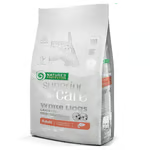
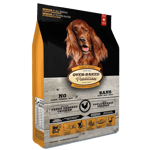
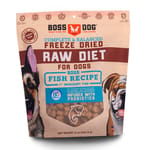
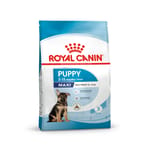
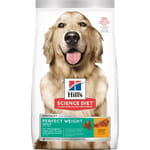
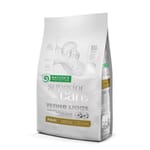
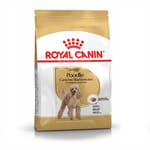
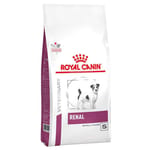
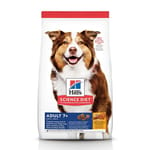
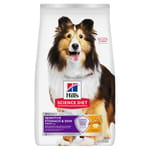
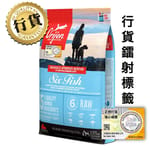
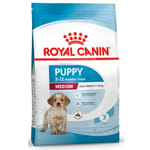
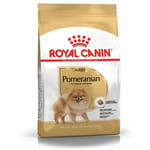
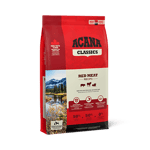
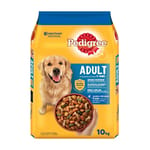
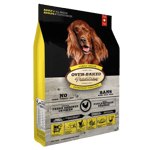
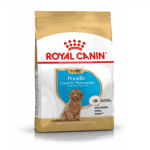
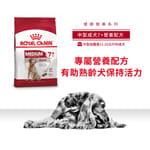
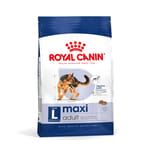
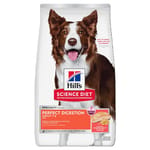
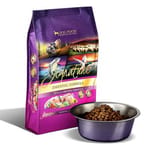
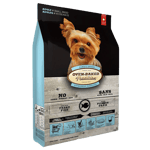
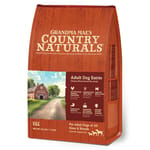
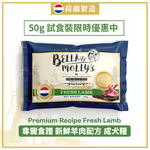
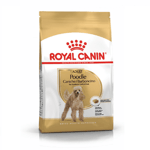
Dog food refers to specially formulated food products designed to meet the nutritional requirements of canines for their growth, development, and overall health maintenance. These products are predominantly available in dry kibble form, with a wide array of formulations catering to different dog breeds, life stages, or specific health conditions. Typical dog food recipes include various combinations of meats, grains, vegetables, fruits, and essential vitamins and minerals. Some products are categorized based on a dog's size (e.g., small, medium, large breeds) or life stage (e.g., puppy, adult, senior) to offer more targeted nutritional support. Additionally, specialized options like freeze-dried dog food are also available in the market. Numerous brands such as Orijen, K9, Addiction, Fromm, Acana, Aatu, Canagan, Royal Canin, Wellness Core, Instinct, Burns, and Hills provide diverse dog food selections, allowing owners to choose based on their dog's individual needs. When selecting dog food, it is advisable to review the ingredient list, nutritional analysis, and manufacturer's product descriptions.
Dog food refers to food products specifically formulated and manufactured for consumption by dogs. These formulations are designed to meet the nutritional requirements of canines, providing essential nutrients for their physiological functions, growth, and maintenance. The category encompasses a diverse range of products, each characterized by specific ingredient profiles, processing methods, and intended use cases for various canine life stages and activity levels.
This article aims to describe the structural attributes, material composition, and usage contexts within the dog food category. It focuses on presenting verifiable, objective information regarding the classification and characteristics of these products, without offering purchasing advice or comparative evaluations.
Dog Food Classification by Form and Processing Method
The dog food category is commonly divided based on its physical form and the processing methods employed in its manufacture. This structural differentiation affects aspects such as moisture content, shelf stability, and ingredient integration. Dry dog food, often referred to as kibble, represents a significant segment. It is typically produced through an extrusion process where ingredients are mixed, cooked under high pressure and temperature, and then formed into uniform pieces. This process reduces moisture content to approximately 10% or less, contributing to its extended shelf life and ease of storage. The low moisture content also impacts nutrient concentration per serving compared to other forms of dog food.
Wet dog food, also known as canned or moist food, constitutes another primary classification. These products generally contain a much higher moisture content, often exceeding 70%, which contributes to their texture and palatability. Wet dog food is typically processed by cooking ingredients in a sealed container, such as a can or pouch, at high temperatures to ensure sterility and preservation. This method results in a product with a softer consistency and a different nutrient density profile per unit of weight compared to dry formulations. Semi-moist dog food occupies an intermediate position, with moisture levels usually ranging from 25% to 40%. These products often contain humectants to maintain their soft texture and prevent spoilage, offering a distinct textural experience.
Another classification within dog food relates to specialized processing techniques, such as freeze-dried and air-dried formulations. Freeze-dried dog food involves removing water from ingredients after they have been frozen, retaining the raw structure and nutrient profile of the original components. This method results in a lightweight product that requires rehydration before consumption. Air-dried dog food, conversely, uses a slow, gentle drying process at low temperatures to remove moisture, often resulting in a denser, chewier texture than freeze-dried options. These processing methods aim to preserve nutrient integrity and offer alternatives to traditional cooking processes for dog food.
Material Composition and Dog Food Formulation
Differences in material composition, structural forms, and formulation methods are central to understanding the diversity within dog food products. The primary components of dog food typically include protein sources, carbohydrates, fats, vitamins, and minerals. Protein sources can vary widely, encompassing animal-derived ingredients such as chicken, beef, lamb, fish, and eggs, as well as plant-based proteins like peas, lentils, and soy. The type and proportion of protein sources influence the amino acid profile of the dog food, which is crucial for muscle development, enzyme function, and tissue repair.
Carbohydrates in dog food provide energy and dietary fiber. Common carbohydrate sources include grains such as rice, corn, wheat, and barley, or grain-free alternatives like potatoes, sweet potatoes, and tapioca. The selection of carbohydrate sources can impact the glycemic index of the dog food and its digestibility. Fats, supplied through ingredients like poultry fat, fish oil, and various plant oils (e.g., flaxseed oil, sunflower oil), are concentrated energy sources and deliver essential fatty acids, which are vital for skin and coat health, cell membrane structure, and nutrient absorption. The inclusion of specific fatty acids, such as omega-3 and omega-6, is often a deliberate formulation choice in dog food.
Beyond macronutrients, dog food formulations incorporate a range of micronutrients, including vitamins (e.g., A, D, E, B-complex) and minerals (e.g., calcium, phosphorus, zinc, iron). These are added to ensure complete and balanced nutrition, often through pre-mixed supplements. The structural form of ingredients, whether whole, ground, or hydrolyzed, can influence nutrient bioavailability and product texture. For instance, some dog food products may feature whole meat pieces, while others rely on meat meals, which are rendered products with a concentrated protein content. The formulation process involves precise blending of these materials to achieve specific nutrient ratios and physical characteristics for the dog food.
Environmental and Usage Contexts for Dog Food
The properties of dog food can vary significantly across different usage environments or conditions, influencing its suitability for specific canine needs. Environmental factors such as climate, storage conditions, and the dog's activity level all interact with the characteristics of the dog food. For instance, in humid climates, the stability of dry dog food can be compromised if not stored correctly, potentially leading to mold growth or nutrient degradation. Conversely, wet dog food, due to its high moisture content, requires refrigeration after opening to prevent spoilage, irrespective of the ambient climate.
A dog's life stage is a primary usage context that dictates specific dog food formulations. Puppy dog food is designed with higher protein and fat levels to support rapid growth and development, along with specific calcium-to-phosphorus ratios for bone health. Adult dog food formulations focus on maintenance, providing balanced nutrition for a mature dog's activity level and physiological needs. Senior dog food, for older canines, often contains reduced calorie content to prevent weight gain and may include joint-supporting ingredients like glucosamine and chondroitin. These formulations are tailored to the metabolic and physiological changes associated with aging.
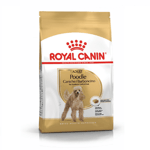
Activity level also dictates dog food characteristics. Highly active or working dogs require calorie-dense dog food with increased levels of fats and proteins to fuel their energy expenditure. Less active or sedentary dogs, conversely, benefit from lower-calorie formulations to prevent obesity. Breed-specific dog food, such as Royal Canin dog food, is another example of tailoring to specific usage contexts, with formulations addressing common health concerns or physical attributes associated with particular breeds, such as kibble size and shape for different jaw structures or nutrient profiles for coat types.
Product Characteristics Based on Dog Food Sales Ranking
This section presents product characteristics based on their sales ranking, focusing on material, formula, and structural attributes. This information is derived from product descriptions and does not involve usage recommendations or comparative evaluations of dog food.
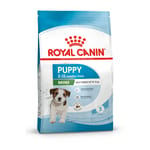
Rank 1: Royal Canin Dog Food, French Royal Dog Food, Health Nutrition Series, Large Puppy Nutritional Formula, Large Puppy Kibble AGR32 15kg. This dog food product is formulated specifically for large breed puppies. Its composition is designed to support the extensive growth phase typical of large breeds, which extends over a longer period compared to smaller breeds. The kibble size and density are adapted to the larger jaw structures of these puppies. Nutritional parameters are adjusted for bone and joint development, which is a critical aspect for large breed puppies. The ingredient profile aims to provide a balanced intake of proteins, fats, and carbohydrates suitable for their developmental stage, alongside specific vitamins and minerals.
Rank 2: Nature's Protection Dog Food, Tear Stain and Coat Enhancement Formula, Lamb White Dog 10kg. This specific dog food formulation is characterized by its inclusion of lamb as the primary protein source. It is designed with a focus on addressing tear staining and promoting coat health in white-coated dogs. The ingredient selection targets specific nutritional elements believed to influence these physiological outcomes. The processing method results in a dry kibble format. The overall composition is balanced to provide general canine nutrition while incorporating ingredients intended for the stated specialized functions of this dog food.
Rank 3: Royal Canin Dog Food, French Royal Dog Food, Medium Adult Nutritional Formula M25 15kg. This dog food product is tailored for medium-sized adult dogs. The formulation addresses the nutritional requirements for the maintenance phase of adult dogs, considering their typical activity levels and metabolic rates. The kibble is sized appropriately for medium-sized jaws, facilitating proper chewing and digestion. The ingredient balance provides sustained energy and supports overall health, including digestive and immune system functions. This dog food focuses on providing a complete nutritional profile for the adult life stage of medium breeds.
Rank 4: Apro IQ Adult Small Kibble Dog Food, Dog Volunteer Stray Dog Series, Economical Choice 20kg. This dog food product is presented as an adult formulation with small kibble, making it suitable for dogs that prefer or require smaller kibble sizes. The composition is designed to provide general adult maintenance nutrition. Its positioning as an "economical choice" suggests a formulation that balances nutritional adequacy with cost-effective ingredient sourcing. The primary focus is on providing essential nutrients for adult dogs in a dry kibble format, often utilized in larger quantities for community or shelter settings.
Rank 5: Apro IQ Adult Large Kibble Dog Food, Dog Volunteer Stray Dog Series, Economical Choice 20kg. Similar to the small kibble variant, this dog food is an adult maintenance formula, distinguished by its larger kibble size. This larger kibble is intended for dogs with bigger jaw structures or those that prefer a more substantial chew. Its "economical choice" designation indicates a formulation approach that prioritizes providing fundamental adult canine nutrition at a accessible price point. The ingredient profile is structured to support the daily energy and nutrient requirements of adult dogs in a practical dry kibble form.
Quality Standards and Labeling for Dog Food
Verifiable quality standards, labeling transparency, and documentation norms are fundamental to the dog food industry. Regulatory bodies in various regions establish guidelines for the production and labeling of dog food to ensure product safety, nutritional adequacy, and accurate information for consumers. In the United States, the Association of American Feed Control Officials (AAFCO) plays a significant role. Although AAFCO is not a regulatory agency, its recommendations are widely adopted by state feed laws. AAFCO provides nutrient profiles for dog food for different life stages (e.g., growth/reproduction, adult maintenance) and defines terms used on labels.
A complete and balanced dog food product, according to AAFCO standards, must either meet one of the established nutrient profiles or pass a feeding trial using AAFCO procedures. The "guaranteed analysis" on dog food labels provides minimum percentages for crude protein and crude fat, and maximum percentages for crude fiber and moisture. This analysis offers a snapshot of the macronutrient content but does not detail ingredient quality or digestibility. Ingredient lists are mandated to be presented in descending order by weight, allowing consumers to identify the most prevalent components of the dog food.
Beyond AAFCO, other regions have their own regulatory frameworks. For example, in Europe, the European Pet Food Industry Federation (FEDIAF) provides nutritional guidelines and best practice codes. These standards cover aspects such as raw material quality, manufacturing processes, and hygiene. Labeling requirements often include information on net weight, manufacturer identification, feeding guidelines, and a "best before" date. The presence of specific claims, such as "grain-free dog food" or "limited ingredient dog food," necessitates adherence to particular formulation standards and often requires substantiation. Transparency in labeling is crucial for understanding the composition and intended purpose of any given dog food product.
Insights into Dog Food Manufacturing and Composition
A verifiable factual insight related to the dog food category concerns the protein content labeling. While dog food labels provide a "guaranteed analysis" for crude protein, this figure represents the total nitrogen content and does not differentiate between protein from animal sources and non-protein nitrogen compounds. This means that a high crude protein percentage on a label does not inherently guarantee a high proportion of highly digestible animal-derived protein. The specific amino acid profile and digestibility of the protein sources are more indicative of the biological value for a dog, though these details are not typically presented in the guaranteed analysis on dog food packaging.
Another factual insight relates to the processing of dry dog food. The extrusion process, commonly used for kibble production, involves subjecting ingredients to high temperatures and pressures. While this process effectively cooks starches, kills bacteria, and creates a shelf-stable product, it can also lead to some nutrient degradation, particularly certain vitamins and heat-sensitive amino acids. To counteract this, manufacturers often add vitamins and minerals back into the dog food mixture after the extrusion process, often in amounts exceeding the minimum requirements, to ensure that the final product retains adequate nutritional levels throughout its shelf life. This post-processing fortification is a standard practice in the production of dry dog food.
Dog food is a manufactured product designed to provide comprehensive canine nutrition. Its various forms, compositions, and processing methods are tailored to meet specific physiological requirements and practical considerations. The industry operates under regulatory frameworks that ensure product safety and labeling accuracy. Understanding the structural attributes and material characteristics of different dog food formulations aids in comprehending the diversity within this product category.
......View All