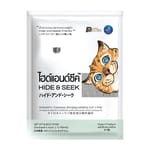
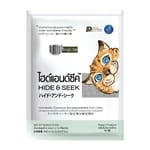
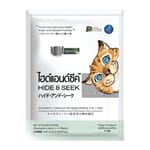
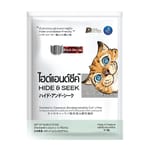
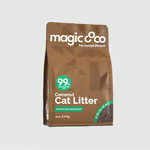
Plant-based cat litter is a type of cat litter primarily made from natural plant fibers. Common materials for this category of litter include tofu dregs, cassava, corn, pine wood, and paper pulp, with manufacturing processes typically focusing on leveraging the absorbency and clumping properties of these botanical ingredients. The texture and granule size of plant-based cat litter can vary depending on the specific plant materials used and the processing methods, for instance, some may appear as pellets or crushed particles. Products within this classification aim to offer a plant-derived litter option, with their characteristics largely determined by their natural components, such as tofu cat litter or cassava cat litter. Due to their raw material source, these litters are handled differently from traditional mineral litters, and their natural attributes are a key distinguishing feature. The evolution of plant-based cat litter reflects a demand for diverse cat litter products, providing various choices to meet the needs of pet owners.
For discerning pet owners, the choice of cat litter extends beyond mere waste management; it's a decision that impacts household hygiene, pet health, and environmental responsibility. This is where plant-based cat litter emerges as a compelling solution, offering a sustainable and often superior alternative to traditional clay-based options. As consumers become increasingly conscious of the products they bring into their homes and their ecological footprint, the demand for natural, biodegradable, and low-dust litter formulas has surged, positioning plant-based cat litter as a core value proposition in the modern pet care market.
Category Features and Trends
The landscape of cat litter has witnessed a significant evolution, with plant-based formulations leading the charge in innovation. A primary feature driving their popularity is their inherent biodegradability, which aligns with growing global environmental concerns. Unlike conventional clay litters that contribute to landfill waste and are often strip-mined, plant-derived options are typically made from renewable resources such as corn, wheat, wood, tofu, or even tapioca. This eco-friendly aspect is a major draw for environmentally conscious consumers.
Another crucial trend is the emphasis on dust reduction. Many traditional litters are notorious for producing significant dust, which can be detrimental to both feline respiratory health and human allergies. Plant-based cat litter formulations are generally engineered to be low-dust or dust-free, creating a cleaner home environment and reducing the risk of respiratory issues for pets and their owners. Furthermore, these litters often boast superior odor control through natural enzymatic action or highly absorbent plant fibers, effectively neutralizing unpleasant smells without relying on harsh chemical fragrances.
For the Hong Kong market, specific needs often revolve around compact living spaces and a desire for efficient waste disposal. The lighter weight of many plant-based litters compared to clay can be a significant advantage for apartment dwellers, making transport and disposal easier. The biodegradability also appeals to those seeking to minimize their impact on a city with limited landfill capacity. The increasing awareness of pet health, coupled with a preference for natural products, further fuels the adoption of these innovative litter types in the region.
Product Types and Buying Guide
The market for plant-based cat litter offers a diverse array of options, each with unique characteristics and benefits. Understanding these types is crucial for making an informed purchasing decision. Here, we delve into some of the most prominent varieties and key considerations for consumers.
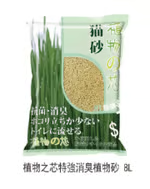
One popular type is tofu cat litter, often exemplified by products like Plant of Core Tofu Cat Litter. Made from soybean pulp, this litter is renowned for its excellent clumping ability, often forming tight, scoopable clumps that simplify waste removal. It is also highly absorbent and typically has a soft texture that is gentle on a cat's paws. When considering tofu cat litter, look for formulas that are dust-free and offer good odor control, as some variations may have a subtle natural scent. The ease of flushability of some tofu litters is also a significant convenience factor for many pet owners.
Another prominent category includes litters made from wood fibers, often recycled pine or cedar. These litters are highly absorbent and possess natural deodorizing properties due to the wood's inherent enzymes. Wood pellet litters are particularly effective at absorbing liquids and odors, though some cats may take time to adjust to their texture. When evaluating wood-based litters, consider whether they are pelletized or granulated, as this can affect comfort for your cat and tracking performance. Brands focusing on sustainably sourced wood are also a preferable choice.
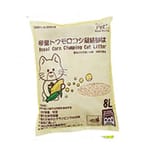
Corn-based litters represent another environmentally friendly option. These litters are known for their strong clumping action and effective odor neutralization. They are typically lightweight and soft, which is appealing to many cats. However, some pet owners express concerns about potential mold growth in very humid environments, so proper ventilation and frequent scooping are important. Look for corn litters that are certified non-GMO and free from artificial fragrances to ensure the purest product for your feline companion.
Finally, emerging options like tapioca cat litter are gaining traction. Tapioca, derived from the cassava plant, offers excellent absorbency and clumping capabilities, often comparable to or exceeding traditional clay. It is naturally dust-free and biodegradable, making it a strong contender for those seeking an innovative and sustainable solution. While perhaps less common than tofu or wood, investigating brands that offer tapioca cat litter can provide a high-performance, natural alternative.
When purchasing, consider several key factors. First, evaluate the litter's clumping ability; a tightly clumping litter makes scooping easier and helps keep the litter box cleaner. Second, assess its odor control capabilities; natural enzymes or activated carbon can significantly enhance this aspect. Third, examine the dust level; a low-dust or dust-free formula is paramount for respiratory health. Fourth, consider the texture; some cats are particular about what they walk on. Lastly, think about the disposal method; flushable options can be incredibly convenient, but always check local regulations and your plumbing system's capacity.
Quality Standards and Trust Guarantee
Ensuring the quality and safety of cat litter, particularly plant-based varieties, is paramount for the health of both pets and their owners. While there isn't a single universal certification for all plant-based cat litters, several indicators and standards can help consumers gauge product quality and trustworthiness.
A primary quality standard revolves around the sourcing of raw materials. Reputable manufacturers of plant-based cat litter will transparently disclose the origin of their ingredients, such as sustainably harvested wood, non-GMO corn, or food-grade soybean pulp. Certifications like the Forest Stewardship Council (FSC) for wood-based litters or non-GMO verification for corn-based products provide an extra layer of assurance regarding ethical and sustainable practices. The absence of artificial fragrances, dyes, and harsh chemicals is another critical quality indicator, as these can be irritants for cats and humans.
For odor control, quality standards dictate that the litter should neutralize odors effectively without masking them with strong perfumes. This is often achieved through the natural absorbent properties of the plant materials or the inclusion of natural odor eliminators like baking soda or activated charcoal. Dust levels are also a significant quality metric; high-quality plant-based litters undergo processing to minimize airborne particles, reducing the risk of respiratory irritation. Consumers should look for products explicitly labeled "99% dust-free" or "low-dust."
Regarding trust guarantees, many reputable brands offer satisfaction guarantees, allowing consumers to return the product if it doesn't meet their expectations. This demonstrates a company's confidence in its product's performance. Furthermore, transparent labeling that includes a full ingredient list, manufacturing location, and contact information for customer service builds consumer trust. In regions like Hong Kong, adherence to local import regulations and safety standards for pet products also contributes to a product's trustworthiness. Consumers are encouraged to consult reviews from other pet owners, especially for products like "Plant of Core Tofu Cat Litter reviews," to gain insights into real-world performance and reliability.
Application Scenarios and Usage Tips
Plant-based cat litter excels in a variety of application scenarios, offering distinct advantages over traditional options. Understanding these uses and adopting best practices can significantly enhance the cat ownership experience.
One common scenario where plant-based litters shine is in households with multiple cats. The superior odor control and often higher absorbency of these litters help manage the increased waste volume and maintain a fresher environment. For such households, using a larger litter box or multiple boxes is advisable, along with frequent scooping, ideally twice a day. For example, a larger pack like "Plant of Core Tofu Cat Litter 20L" or "Plant of Core 20L" can be more economical and convenient for multi-cat homes, reducing the frequency of purchases.
Another ideal application is for cats with sensitive respiratory systems or allergies. The low-dust nature of most plant-based litters significantly reduces exposure to airborne irritants, making them a healthier choice for felines prone to sneezing, coughing, or asthma. Similarly, humans in the household who suffer from allergies will appreciate the cleaner air quality. When transitioning a sensitive cat, introduce the new litter gradually by mixing it with their old litter, slowly increasing the proportion of the new litter over several days or weeks.
Plant-based litters are also perfectly suited for pet owners prioritizing environmental sustainability. Their biodegradability means they break down naturally, reducing landfill impact. Many varieties are also flushable (check local regulations and plumbing compatibility), offering a convenient and eco-friendly disposal method, particularly beneficial in urban environments like Hong Kong where waste management is a key concern. For optimal performance, maintain a consistent litter depth of at least 2-3 inches to allow for proper clumping and absorption. Regularly cleaning the entire litter box with mild, pet-safe soap and water is also crucial to prevent bacterial buildup and maintain hygiene.
A common consumer question revolves around transitioning a cat to a new litter. The most effective method is a gradual introduction. Start by mixing a small amount of the new litter with the old litter. Over several days, slowly increase the proportion of the new plant-based cat litter until your cat is fully accustomed to it. This minimizes stress and behavioral issues. If your cat resists, try placing a separate box with the new litter alongside their usual box, allowing them to choose. Another tip is to ensure the litter box is in a quiet, accessible location, as even the best litter won't be used if the location is undesirable.
Closing Paragraph
In conclusion, the shift towards plant-based cat litter represents a significant advancement in pet care, offering a confluence of benefits that cater to modern consumer demands. From superior odor control and low-dust formulations to environmental sustainability and natural ingredients, these litters provide a healthier, cleaner, and more responsible choice for both pets and their human companions. The diverse range of options, including popular tofu and emerging tapioca varieties, ensures there's a suitable product for every cat and household. By prioritizing quality, understanding product types, and adopting proper usage techniques, pet owners can provide an optimal litter experience. We encourage you to explore the benefits of plant-based cat litter today and discover a cleaner, greener way to care for your beloved feline friend.
......View All