Pet souvenirs are gift items specifically designed for pets, frequently featuring a variety of pet treats such as cat treats and dog treats. These products come in various forms, including dried meat pieces, soft snacks, dental chews, or nutritional supplements. Their ingredients are diverse, commonly incorporating meats, vegetables, grains, or specific nutrients, intended to offer pets additional food choices. The packaging of pet souvenirs often resembles gift packaging, making them convenient for carrying and presenting. These products are suitable for cats and dogs of different sizes, ages, and dietary habits, although specific applicability requires consulting individual product ingredient descriptions and recommendations. When selecting pet treats, attention can be paid to their ingredient composition and manufacturing methods to ensure they meet the pet's dietary requirements. This category page compiles a wide array of pet souvenir options, allowing users to easily browse and compare different brands of cat treats and dog treats.
Pet treats, specifically cat treats and dog treats, encompass a diverse range of edible products formulated for companion animals, serving primarily as supplementary dietary components rather than primary nutrition sources.
This article aims to describe the structural attributes, material composition, and processing methods within the pet treats category, focusing on objective information without promoting specific products or offering selection advice.
Pet Treats: Classification by Animal Type and Form
The classification of pet treats is frequently delineated by the target animal species, primarily distinguishing between cat treats and dog treats, reflecting distinct physiological and dietary requirements. Within these primary divisions, further classification occurs based on the physical form and intended function. Common forms include soft chews, crunchy biscuits, dental chews, and freeze-dried or air-dried preparations. Soft chews typically possess a pliable texture, often achieved through specific moisture content and binding agents, making them suitable for animals with varying dental health. Crunchy biscuits, in contrast, are characterized by their firm, brittle structure, which can contribute to mechanical dental cleaning during consumption. Dental chews are specifically engineered with textures and shapes designed to help reduce plaque and tartar accumulation through abrasive action. Freeze-dried treats retain much of the raw material's nutritional integrity and are characterized by a porous, lightweight structure resulting from the sublimation of water. Air-dried treats, often prepared at lower temperatures over extended periods, typically have a denser, chewier consistency compared to their freeze-dried counterparts, preserving nutrients while reducing moisture content for shelf stability. This initial categorization provides a fundamental framework for understanding the diverse landscape of pet treats available within the market.
Pet Treats: Material Composition and Processing Techniques
Pet treats exhibit significant variation in their material composition and the processing techniques employed during manufacturing. The primary ingredients commonly include sources of protein, carbohydrates, fats, and various vitamins and minerals. Protein sources are often derived from animal tissues such as chicken, beef, lamb, duck, or fish, supplied as fresh meat, meat meals, or by-products. Plant-based proteins, such as pea protein or potato protein, are also utilized in some formulations. Carbohydrate components typically include grains like rice, corn, wheat, or oats, or grain-free alternatives such as potatoes, sweet potatoes, and legumes. Fats are incorporated for energy density and palatability, frequently sourced from animal fats like chicken fat or plant oils such as sunflower oil or flaxseed oil. The processing techniques significantly influence the final product’s texture, nutritional profile, and shelf life. Extrusion is a common method for producing kibble-like treats and many dental chews, involving high heat and pressure to cook and shape ingredients. Baking is employed for biscuits, resulting in a dry, crunchy product. Air-drying involves slow dehydration at controlled temperatures, preserving nutrients while removing moisture, leading to a concentrated product. Freeze-drying processes remove water through sublimation, maintaining the structural and nutritional integrity of raw ingredients, yielding a very lightweight, porous treat. These methods dictate the physical characteristics and stability of pet treats.
Pet Treats: Properties Across Usage Environments
The properties of pet treats can vary in their expression across different usage environments or conditions, primarily influenced by factors such as storage, ambient humidity, and interaction with other substances. Treats designed for dental health, for instance, rely on their specific hardness and abrasive texture to function effectively; exposure to high humidity can soften these products, diminishing their intended mechanical action. Similarly, the palatability of certain pet treats, while inherent to their formulation, can be affected by prolonged exposure to air, leading to oxidation of fats and a reduction in aromatic compounds. Freeze-dried treats, characterized by their low moisture content, are highly hygroscopic and will readily absorb ambient moisture if not stored in an airtight container, altering their texture from crisp to chewy. Conversely, treats with higher moisture content, such as soft chews, may be susceptible to microbial growth if stored improperly or in warm, humid conditions. The structural integrity of various pet treats also dictates their suitability for specific dispensing methods, such as puzzle toys or automatic feeders, where a consistent size and resistance to crumbling are necessary. Understanding these environmental interactions is crucial for maintaining the intended characteristics of pet treats throughout their shelf life and during consumption.
Pet Treats: Sales Ranking and Material Characteristics
The following describes the material and structural characteristics of pet treats based on a provided sales ranking, focusing purely on their composition and form.
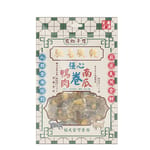
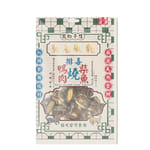
Rank 1: Pet Treats Cat and Dog Snacks Famous Air-Dried Duck and Pumpkin Roll 60g — This product features a primary protein source of duck, complemented by pumpkin as a vegetable component. The air-drying process indicates a dehydration method that removes moisture content while preserving the material structure. The "roll" form suggests a shaped product, potentially created by combining and then forming the duck and pumpkin ingredients before drying. The texture would typically be dense and chewy due to the air-drying process.
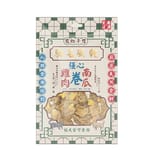
Rank 2: Pet Treats Cat and Dog Snacks Famous Air-Dried Chicken and Pumpkin Roll 60g — This treat utilizes chicken as its main protein, combined with pumpkin. Similar to the Rank 1 product, it undergoes an air-drying process to achieve preservation and a specific texture. The "roll" configuration implies a molded structure, where the chicken and pumpkin components are integrated and then shaped prior to dehydration. The resulting consistency would be firm and dense.
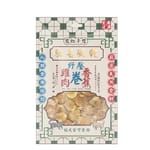
Rank 3: Pet Treats Cat and Dog Snacks Famous Air-Dried Chicken and Banana Roll 70g — With chicken as the primary protein and banana as the complementary fruit ingredient, this product is also air-dried. The "roll" format indicates a consistent, shaped structure derived from the combined ingredients. The air-drying method ensures a reduced moisture level, yielding a product with a firm, chewy texture, distinct from baked or extruded treats.
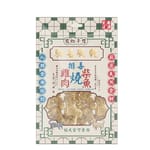
Rank 4: Pet Treats Cat and Dog Snacks Famous Air-Dried Chicken and Bonito Roll 60g — This product combines chicken as a protein source with bonito, a type of fish, which contributes a distinct flavor profile. The air-drying process is again utilized, indicating a method that removes water content to create a shelf-stable product. The "roll" structure suggests a uniform, shaped item, where the chicken and bonito are integrated before drying. The texture is expected to be dense and chewy.
Rank 5: Pet Treats Cat and Dog Snacks Famous Air-Dried Duck and Bonito Roll 70g — This treat features duck as the primary protein source and bonito as an additional ingredient, providing a complementary flavor. The air-drying technique is employed for preservation and texture development. The "roll" form indicates a consistent, shaped product, formed from the combined duck and bonito materials. The resulting texture is typically firm and resilient due to the dehydration process.
Pet Treats: Quality Standards and Labeling Norms
The quality standards and labeling norms for pet treats are established to ensure product safety, accurate representation of contents, and consumer transparency. In many regions, regulatory bodies such as the Association of American Feed Control Officials (AAFCO) in the United States or the European Pet Food Industry Federation (FEDIAF) in Europe provide guidelines for pet food and treat manufacturing and labeling. These guidelines often specify requirements for ingredient definitions, nutritional adequacy statements (though treats are generally supplementary), and guaranteed analysis. The guaranteed analysis typically includes minimum percentages for crude protein and crude fat, and maximum percentages for crude fiber and moisture. Ingredient lists are mandated to be in descending order by weight, providing insight into the primary components. Claims such as "natural," "organic," or "grain-free" are often subject to specific definitions and verification processes, requiring manufacturers to adhere to particular sourcing and processing criteria. Traceability systems are increasingly common, allowing manufacturers to track ingredients from their origin through to the final pet treats product. Packaging must typically include the product name, net weight, manufacturer information, and often a "best by" date to indicate shelf life. These standards collectively aim to provide consumers with verifiable information regarding the composition and safety of pet treats.
Pet Treats: Factual Insights into Processing and Composition
A verifiable factual insight concerning pet treats relates to the moisture content and its role in product stability. The shelf life of many pet treats is directly correlated with their water activity, which is a measure of unbound water available for microbial growth and chemical reactions. For instance, freeze-dried pet treats typically have a water activity of 0.2 to 0.4, which is significantly lower than the threshold generally considered safe for preventing bacterial growth (around 0.85). This low water activity is the primary reason for their extended shelf life without the need for refrigeration or artificial preservatives, relying instead on the physical removal of water through sublimation. This processing method maintains the structural integrity of the original ingredients, often resulting in a porous, lightweight matrix.
Another verifiable factual insight regarding pet treats involves the specific types of dietary fibers incorporated and their functional roles. Beyond crude fiber, certain soluble and insoluble fibers are intentionally added to pet treats for distinct physiological effects. For example, chicory root, a source of inulin, is a prebiotic fiber that can support the growth of beneficial gut bacteria, contributing to digestive health. Psyllium husk, another commonly used fiber, can absorb water and form a gel, which aids in stool consistency. The inclusion of these specific fiber types in pet treats is a deliberate formulation choice, not merely for bulk, but for their specific biochemical interactions within the pet's digestive system, demonstrating a targeted approach to ingredient selection beyond basic nutritional requirements.
The characteristics of pet treats, including their material composition, structural attributes, and processing methods, are defined by technical specifications and regulatory frameworks. This objective overview provides a foundational understanding of the category without engaging in product endorsements or comparative evaluations.
......View All