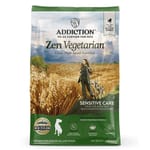
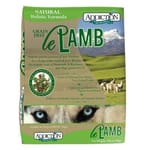
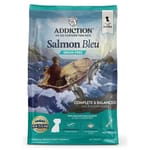
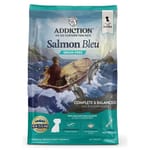
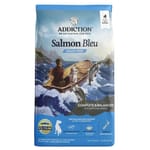
Addiction dog food offers various nutritional options for canines. This product category encompasses different formulations, designed to meet the nutritional requirements of dogs at various life stages, such as puppies, adult dogs, and senior dogs. Addiction dog food products include both dry and wet food types, with ingredient combinations typically balancing protein, fat, carbohydrates, vitamins, and minerals. Products are often based on natural ingredients and provide diverse protein sources, such as various meats or fish. Consumers can select appropriate Addiction dog food based on their dog's size, activity level, and specific needs. This category also features a range of product specifications and package sizes to suit different feeding environments.
Dog food, a formulated nutritional product intended for consumption by dogs, serves as a primary dietary component for domesticated canines. This category encompasses a diverse range of products designed to meet the varying physiological requirements of dogs across different life stages and activity levels.
This article aims to describe the structural attributes, material composition, and usage contexts within the dog food category. It does not intend to recommend specific products or provide advice on selection.
Dog Food Classification by Formulation Type
The dog food category is commonly divided based on its formulation type, which reflects the processing methods and resulting physical characteristics of the product. The primary classifications include dry kibble, wet food, semi-moist food, and raw food. Dry kibble is produced through an extrusion process where ingredients are mixed, cooked under high pressure and temperature, and then shaped into uniform pieces. This process reduces moisture content significantly, typically to below 10%, which contributes to its extended shelf life. Wet dog food, often packaged in cans, pouches, or trays, has a substantially higher moisture content, frequently exceeding 70%. It typically consists of meat, vegetables, and grains cooked with water or broth. Semi-moist dog food represents an intermediate category with moisture levels ranging from 25% to 40%. It often contains humectants to maintain its pliable texture. Raw dog food, sometimes referred to as Biologically Appropriate Raw Food (BARF), consists of uncooked muscle meat, organ meat, bones, fruits, and vegetables. This type of dog food is generally prepared without heating processes, preserving the ingredients in their natural state. Each formulation type presents distinct material compositions and physical properties that influence its handling, storage, and consumption characteristics.
Dog Food Material Composition and Processing Techniques
Differences in dog food are largely driven by variations in material composition, structural forms, and processing techniques. The primary components of dog food typically include protein sources, carbohydrates, fats, vitamins, and minerals. Protein sources can be derived from animal products such as poultry, beef, lamb, fish, or plant-based sources like peas and lentils. The quality and digestibility of these protein sources are influenced by their origin and subsequent processing. Carbohydrates are often supplied through grains like corn, wheat, barley, or rice, or through grain-free alternatives such as potatoes, sweet potatoes, and legumes. Fats, essential for energy and nutrient absorption, are commonly sourced from animal fats (e.g., chicken fat) or vegetable oils (e.g., flaxseed oil, sunflower oil). The processing techniques employed for dog food production significantly impact its final structure and nutrient availability. Extrusion, as used for dry kibble, involves high temperatures and pressures that can alter the molecular structure of ingredients, potentially affecting nutrient profiles and digestibility. Wet food production typically involves canning, which sterilizes the product through heat, extending its shelf life while maintaining a higher moisture content. Freeze-drying and air-drying are other methods used, particularly for raw or minimally processed dog food, to remove moisture while preserving nutrient integrity closer to their original state. These varied approaches result in distinct textures, shelf stability, and nutrient delivery mechanisms across different dog food products.
Dog Food Properties Across Usage Environments
The properties of dog food can vary significantly across different usage environments or conditions, primarily in terms of storage requirements, palatability, and nutrient delivery. Dry dog food, due to its low moisture content, is generally stable at room temperature and less susceptible to microbial growth when stored in airtight containers. This makes it suitable for environments where refrigeration is not consistently available or for owners who prefer bulk purchasing. Its firm texture can also contribute to dental hygiene by helping to reduce plaque buildup. Wet dog food, conversely, requires refrigeration after opening to prevent spoilage due to its high moisture content. Its higher palatability, often attributed to its aroma and texture, can be beneficial for dogs with reduced appetites or those needing increased hydration. Semi-moist dog food offers a balance between the convenience of dry food and the palatability of wet food, though its storage requirements are typically more stringent than dry kibble once opened. Raw dog food demands the most rigorous storage and handling protocols, requiring constant refrigeration or freezing to maintain safety and prevent bacterial contamination. Its properties are considered to be closer to a dog's ancestral diet, but this also necessitates careful attention to food safety. The choice of dog food often depends on the specific environmental context, including climate, storage facilities, and the individual dog's dietary needs and preferences.
Dog Food Product Characteristics from Sales Ranking
This section details material, formulation, and structural characteristics of specific dog food products based on observed sales ranking, without any commentary on their effectiveness or suitability for any particular dog.
Rank 1: Addiction Grain-Free Blue Salmon Puppy Formula 4lbs — This dog food is formulated without grains, utilizing salmon as a primary protein source. It is designed for puppies, indicating a specific nutrient profile tailored for growth and development. The "Blue Salmon" likely refers to a specific type or processing of salmon. The 4lbs packaging indicates a smaller unit size, potentially for initial trials or smaller breeds.
Rank 2: Addiction Grain-Free Blue Salmon Puppy Formula 20lbs — Similar to the Rank 1 product, this dog food is also a grain-free formulation with salmon as the main protein, specifically for puppies. The key difference is the 20lbs packaging, representing a larger volume suitable for ongoing feeding or larger breeds of puppies. The formulation characteristics remain consistent with its puppy-specific design.
Rank 3: Addiction Grain-Free Blue Salmon Adult Formula 20lbs — This dog food shares the grain-free and salmon-based protein characteristics with the puppy formulas but is specifically formulated for adult dogs. The nutrient ratios, particularly protein, fat, and fiber, are adjusted to meet the maintenance requirements of adult canines rather than the growth demands of puppies. The 20lbs size is a standard bulk offering.
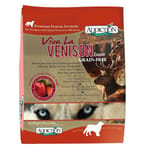
Rank 4: Addiction Grain-Free Venison Adult Formula 4lbs — This dog food is a grain-free formulation featuring venison as the primary protein source. Venison is often utilized in formulas for dogs with sensitivities to more common protein sources like chicken or beef. It is designed for adult dogs, suggesting a nutrient profile balanced for maintenance. The 4lbs size is a smaller, introductory, or specialized offering.
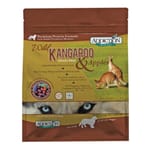
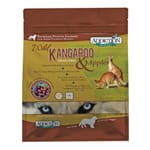
Rank 5: Addiction Grain-Free Kangaroo Apple Adult Formula 4lbs — This dog food presents a grain-free formulation with kangaroo meat as the primary protein and apple as an additional ingredient. Kangaroo is considered a novel protein source, often used for dogs with food allergies or intolerances to typical proteins. The inclusion of apple contributes fiber and other plant-derived compounds. This 4lbs package is sized for specific dietary needs or smaller adult dogs.
Dog Food Quality Standards and Labeling Norms
Verifiable quality standards, labeling transparency, and documentation norms are established within the dog food industry to provide consumers with information regarding product composition and safety. In many regions, regulatory bodies like the Association of American Feed Control Officials (AAFCO) in the United States, or similar national and international organizations, set guidelines for pet food labeling, ingredient definitions, and nutrient profiles. AAFCO, for example, publishes nutrient requirements for dog food based on life stages (e.g., growth, adult maintenance, gestation/lactation). Products labeled as "complete and balanced" must meet these established nutrient profiles through either formulation to meet the profiles or by passing feeding trials. Ingredients are typically listed in descending order by weight on the product label, providing insight into their relative proportions. Guaranteed Analysis panels on dog food packaging specify minimum percentages of crude protein and crude fat, and maximum percentages of crude fiber and moisture. These figures provide a standardized measure of key macronutrients. Manufacturing facilities are often subject to inspections and may adhere to quality management systems such as HACCP (Hazard Analysis and Critical Control Points) to ensure product safety and consistency. The presence of specific certifications or compliance statements on dog food labels indicates adherence to these established standards, offering a framework for understanding product attributes.
Dog Food Factual Insights
A verifiable factual insight concerning dog food pertains to the historical evolution of its processing. Prior to the mid-19th century, dogs primarily consumed table scraps or raw meat. The first commercially prepared dog food, a dry biscuit, was introduced in England in 1860 by James Spratt. This innovation marked a significant shift towards formulated and processed diets for canines, establishing the foundation for the modern dog food industry. Another factual insight involves the nutrient content of dry kibble versus wet dog food. While wet dog food often appears to have higher protein percentages on a "guaranteed analysis" label, this figure is typically presented on an "as fed" basis, meaning it includes the high water content. When converted to a "dry matter" basis, which removes the water content, the protein percentages of dry kibble and wet dog food can often be comparable, or even higher in kibble, depending on the specific formulation. This conversion provides a more accurate comparison of nutrient density between different types of dog food.
The information presented aims to provide a structured understanding of dog food, detailing its various classifications and inherent characteristics.
......View All