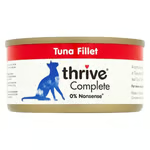
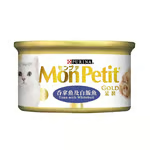
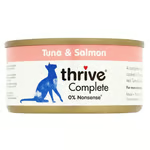
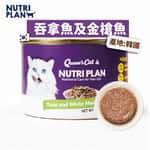
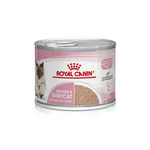
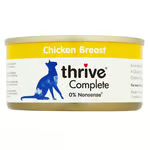
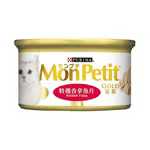
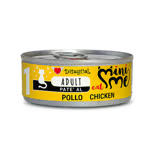
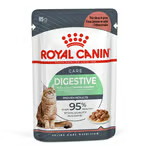
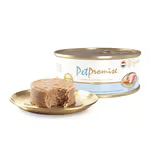
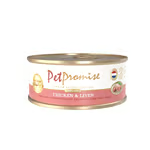
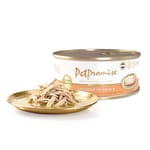
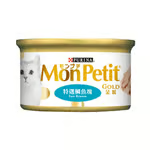
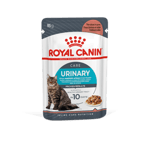
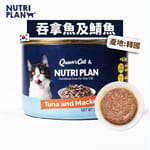
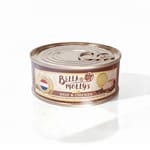
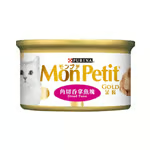
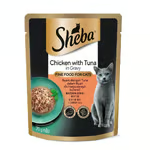
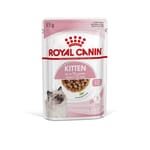
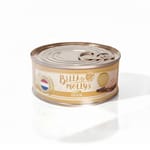
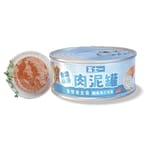
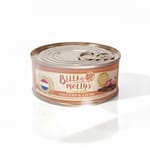
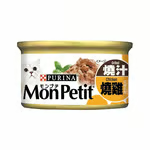
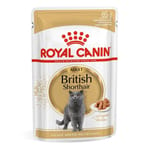
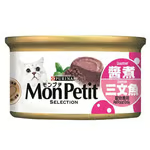
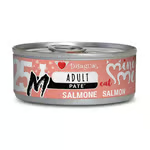
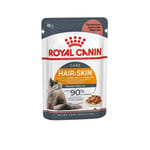
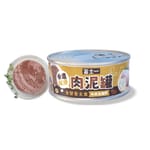
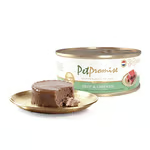
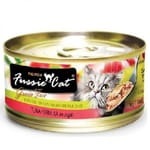
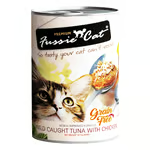
Canned cat food refers to a type of wet food product specifically formulated for felines, typically packaged in cans. These products are primarily composed of animal-based protein sources such as meat, fish, and organs, supplemented with small amounts of grains, vegetables, vitamins, and minerals to ensure a balanced nutritional profile. The market offers a wide variety of canned cat food options, including formulas tailored for kittens, adult cats, or cats with specific dietary needs, as well as choices featuring different meat types or textures. Common considerations for pet owners include how to feed and store canned cat food. Some canned cat food products are categorized as complete and balanced meals (main course) or supplementary meals (treats), with each serving distinct roles in a cat's daily diet. Furthermore, owners often pay attention to various brands of canned cat food, such as Thrive or Ciao, when seeking suitable products for their cats.
Cat wet food refers to commercially prepared feline diets characterized by a high moisture content, typically exceeding 60% by weight, presented in various forms such as pâté, shredded meat, or chunks in gravy or jelly.
This article aims to provide a structural and compositional overview of the cat wet food category. It will describe differences in material composition, structural attributes, and processing methods inherent to these products. The objective is to present objective, verifiable information about the category's characteristics, without offering product recommendations or comparative analyses of specific brands.
Classifications of Cat Wet Food
Cat wet food is commonly categorized based on its texture, packaging, and intended life stage. Textural classifications generally include pâté, minced, shredded, flaked, and chunks in gravy or jelly. Pâté formulations are finely ground and blended into a smooth, uniform consistency. Minced varieties feature finely chopped ingredients, offering a slightly coarser texture than pâté. Shredded or flaked cat wet food consists of meat or fish processed into thin strips or flakes, often suspended in a broth or sauce. Chunks in gravy or jelly present identifiable pieces of meat or fish coated in a thickened liquid. These textural differences arise from distinct ingredient processing techniques and affect how the food is consumed by cats, influencing factors such as palatability and ease of ingestion for felines with varying dental conditions. Packaging types typically include cans, pouches, and trays, each offering different storage and serving conveniences. Canned cat wet food, often made from steel or aluminum, provides an airtight seal, contributing to a longer shelf life prior to opening. Pouches, usually made from multi-layered flexible materials, offer single-serving portions and are designed for easy opening and disposal. Trays, often made from plastic with a foil lid, also provide single or small multi-serving options. Life stage classifications include formulations specifically designed for kittens, adult cats, and senior cats. Kitten wet food is typically formulated with higher caloric density and specific nutrient profiles to support growth and development. Adult cat wet food is designed for maintenance, while senior cat wet food may address age-related concerns such as joint health or kidney function through adjusted nutrient levels. The distinctions in cat wet food formulations reflect different approaches to ingredient selection and nutritional balancing.
Material Composition and Processing Techniques for Cat Wet Food
The material composition of cat wet food primarily includes animal proteins, fats, carbohydrates, vitamins, minerals, and water. Animal proteins, such as chicken, beef, fish, or lamb, constitute a significant portion of the formula and are often listed as the first ingredients. These proteins provide essential amino acids necessary for feline health. Fats, derived from animal sources (e.g., chicken fat, fish oil) or plant sources (e.g., sunflower oil), serve as a concentrated energy source and support the absorption of fat-soluble vitamins. Carbohydrates, while present in smaller quantities compared to dry food, may come from ingredients like rice, potatoes, or peas, acting as binders or energy contributors. Vitamins and minerals are added to ensure a complete and balanced diet, meeting specific feline nutritional requirements established by regulatory bodies. Water is a primary component, contributing to the high moisture content characteristic of cat wet food. Processing techniques for cat wet food typically involve grinding, mixing, cooking, and sterilization. Ingredients are initially ground to achieve the desired texture, then mixed with water, vitamins, and minerals. This mixture is subsequently cooked, often at high temperatures, to ensure palatability, digestibility, and microbial safety. After cooking, the food is filled into cans, pouches, or trays, which are then sealed. The sealed containers undergo a sterilization process, usually retort cooking, where they are subjected to high temperatures and pressure for a specific duration. This sterilization eliminates pathogens and spoilage microorganisms, enabling the product to be shelf-stable without refrigeration until opened. The specific processing parameters vary depending on the product's formulation, packaging type, and target shelf life. Some specialized cat wet food products may undergo additional processing, such as freeze-drying or air-drying of individual components before rehydration and canning, to preserve nutrient integrity or enhance specific textural attributes. The selection of raw materials and the application of these processing methods are critical in determining the final nutritional profile and physical characteristics of cat wet food.
Properties and Usage Contexts of Cat Wet Food
The properties of cat wet food vary significantly across different usage environments and conditions, primarily due to its high moisture content. In terms of storage, unopened cat wet food, due to its sterilization and airtight packaging, maintains stability at room temperature, typically for extended periods, often up to two years. Once opened, however, its perishable nature necessitates refrigeration. Opened portions of cat wet food generally remain safe for consumption for approximately 24 to 72 hours when stored in a refrigerator at temperatures between 2°C and 7°C. Beyond this period, bacterial growth can accelerate, leading to spoilage and potential health risks for the feline. Ambient temperature also influences the palatability and aroma of cat wet food. Many cats show a preference for food served at room temperature or slightly warmed, as this can enhance the aroma and make the food more appealing than cold food directly from the refrigerator. Therefore, allowing refrigerated portions to sit at room temperature for a short period or gently warming them can improve acceptance. The high moisture content of cat wet food also has implications for hydration. For cats with insufficient water intake from drinking, a diet consisting primarily of cat wet food can contribute significantly to their daily fluid requirements, supporting kidney function and urinary tract health. This is a distinct property compared to dry kibble, which contains minimal moisture. Furthermore, the texture and consistency of cat wet food can be particularly beneficial for cats with dental issues or those that are aging. Softer pâté or shredded varieties are easier to chew and swallow for felines with sensitive teeth, gum disease, or missing teeth. The caloric density can also vary, with some formulations designed for weight management and others for higher energy needs, influencing the appropriate portion size in different feeding contexts. Understanding these properties is essential for proper handling, storage, and feeding practices to ensure the safety and nutritional benefit of cat wet food.
Product Characteristics from Sales Ranking of Cat Wet Food
This section presents the material, formulation, and structural characteristics of the top-selling cat wet food products, based on their sales ranking. The descriptions are derived from publicly available product information and focus solely on objective attributes.
Rank 1: Thrive Complete Chicken Breast Cat Wet Food — This product consists primarily of chicken breast, constituting a high percentage of the total ingredients. It typically presents as shredded or flaked meat in a natural broth, emphasizing a single protein source. The formulation is often grain-free and contains no artificial colors, flavors, or preservatives. Its structure is characterized by distinct, identifiable pieces of chicken.
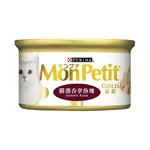
Rank 2: Mon Petit Tuna and Chicken Fillet Cat Wet Food — This cat wet food features a blend of tuna and chicken fillet. It is commonly presented as delicate flakes or small chunks in a savory jelly or gravy. The formulation often includes additional vitamins and minerals to ensure nutritional completeness. Its structural characteristic is a combination of finely cut protein pieces suspended in a semi-solid matrix.
Rank 3: Ciao Churu Tuna Puree Cat Wet Food — This product is a puree-style cat wet food, distinguished by its smooth, liquid-like consistency. It is made from tuna, often combined with other seafood ingredients. The primary structural attribute is its highly viscous, semi-liquid texture, typically packaged in individual tubes or sachets for direct feeding or as a topping. It is often formulated without grains or artificial additives.
Rank 4: Sheba Delicates in Gravy Salmon Cat Wet Food — This cat wet food features salmon as a primary protein source, presented in small, tender pieces immersed in a rich gravy. The formulation typically includes a balanced array of vitamins and minerals. The structural characteristic is defined by soft, bite-sized chunks of fish protein coated in a thick, palatable sauce.
Rank 5: ZiwiPeak Lamb Recipe Cat Wet Food — This product is a high-meat, grain-free cat wet food, with lamb as the predominant protein source. It often includes organs, bone, and New Zealand green mussel, aiming to replicate a whole-prey diet. The texture is typically a coarse pâté or minced consistency, reflecting its dense meat content. The formulation is designed for nutritional completeness with minimal carbohydrates.
Quality Standards and Labeling Norms for Cat Wet Food
The quality standards and labeling norms for cat wet food are governed by regulatory bodies to ensure product safety, nutritional adequacy, and accurate consumer information. In many regions, organizations such as the Association of American Feed Control Officials (AAFCO) in the United States or the European Pet Food Industry Federation (FEDIAF) in Europe establish nutritional guidelines and labeling requirements. These guidelines specify minimum and maximum levels for essential nutrients, including proteins, fats, vitamins, and minerals, suitable for different feline life stages (e.g., growth, adult maintenance). A cat wet food product labeled as "complete and balanced" must meet these established nutritional profiles. Labeling transparency is a key aspect, requiring manufacturers to list ingredients in descending order by weight, providing consumers with insight into the product's composition. Ingredient names must adhere to established definitions; for example, "chicken" must refer specifically to the muscle meat of chicken, while "meat by-products" refers to clean parts of slaughtered animals other than meat. Guaranteed analysis panels are mandatory, providing minimum percentages for crude protein and crude fat, and maximum percentages for crude fiber and moisture. This panel offers a quantifiable overview of the macronutrient content. Furthermore, manufacturers are typically required to include feeding guidelines based on the cat's weight and activity level, along with storage instructions. The presence of specific claims, such as "grain-free" or "limited ingredient diet," also necessitates adherence to defined criteria and often requires supporting documentation. Quality control measures during manufacturing, including ingredient sourcing, processing, and packaging, are subject to scrutiny to prevent contamination and ensure product integrity. Adherence to these standards and labeling norms provides a framework for evaluating the compliance and nutritional intent of cat wet food products.
Verifiable Insights into Cat Wet Food
One verifiable factual insight regarding cat wet food concerns its contribution to feline hydration. Domestic cats, descended from desert-dwelling ancestors, inherently have a low thirst drive and often do not consume sufficient water independently, particularly when fed a diet consisting primarily of dry kibble. Cat wet food, with its typical moisture content ranging from 70% to 85%, significantly augments a cat's daily fluid intake. This increased hydration can play a role in supporting renal function and reducing the risk of certain urinary tract conditions, such as feline lower urinary tract disease (FLUTD), by promoting dilute urine. This physiological characteristic highlights a distinct dietary advantage of high-moisture cat wet food in managing feline health, especially for cats prone to urinary issues or those identified as having inadequate water consumption. The direct intake of water through food contrasts with the passive consumption of water from a bowl, presenting a more consistent and reliable hydration method for many felines.
Another verifiable factual insight relates to the protein source and digestibility in cat wet food formulations. While many cat wet food products emphasize named meat proteins such as chicken or tuna, the actual protein digestibility can vary based on processing methods and the inclusion of different animal parts. For instance, muscle meat proteins generally have higher biological value and digestibility for felines compared to some forms of animal by-products, although by-products can still offer valuable nutrients. The manufacturing process, particularly the extent of cooking and grinding, also impacts the bioavailability of nutrients. Over-processing can sometimes reduce nutrient integrity, while appropriate processing enhances digestibility. Analytical studies measuring amino acid profiles and protein efficiency ratios confirm that the quality and source of protein within cat wet food directly influence its nutritional efficacy, rather than merely the crude protein percentage listed on the label. This means that a higher percentage of crude protein does not automatically equate to superior nutritional value without considering the protein's origin and processing.
This article has provided a descriptive overview of cat wet food, detailing its structural attributes, material composition, processing methods, and relevant classifications. The objective was to present factual information about the category's characteristics. No product recommendations or comparative analyses have been offered.
......View All