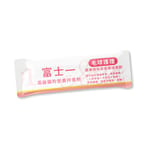
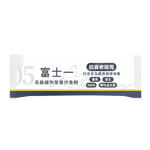
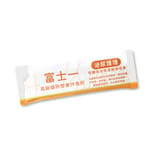
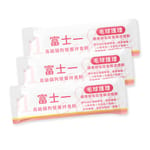
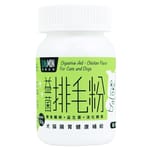
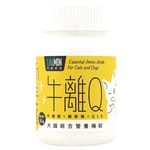
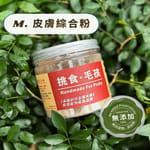
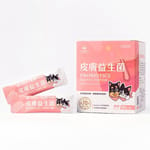
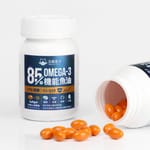
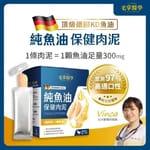
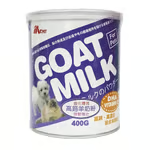
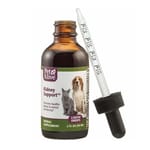
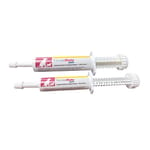
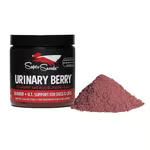
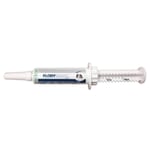
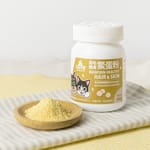
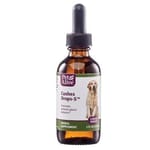
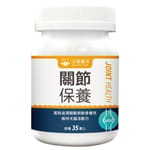
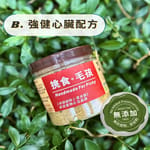
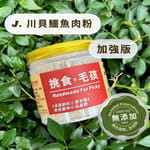
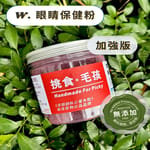
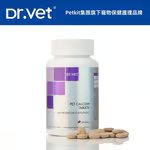
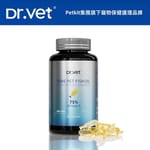
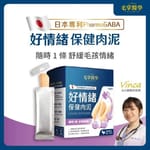
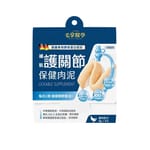
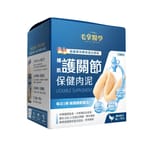
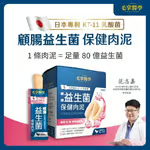
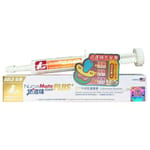
Health supplements refer to products generally used for maintaining, promoting, or improving the health of living organisms. This category encompasses a wide range of items, including nutritional supplements, vitamins, minerals, herbal formulations, and other preparations designed to support physiological functions. Among various health supplements, some products are also applicable to specific animals, such as pet supplies that include nutritional and care products specifically formulated for cats. These products may come in different forms, such as tablets, capsules, powders, or liquids, with their ingredients and formulations designed according to the physiological needs of the target group. There are various options for health supplements in the market, including affordable cat food or canned cat food specifically designed for felines, which also fall under the broad category of health support, aiming to provide balanced nutrition. The primary purpose of products within this classification is to assist bodily functions, rather than for the diagnosis, treatment, or prevention of diseases.
Pet health products encompass a diverse range of items formulated to support the physiological functions and general well-being of companion animals.
This article aims to describe the structural attributes, material composition, and usage contexts within the pet health products category. It does not intend to recommend specific products or provide selection advice regarding their advantages.
Pet Health Products: Common Divisions in Practical Use
The classification of pet health products in practical application contexts often aligns with their primary functional roles or target physiological systems. One common division distinguishes between nutritional supplements, which aim to complement an animal's diet, and supportive agents, which address specific physiological needs or environmental challenges. Nutritional supplements frequently include vitamins, minerals, amino acids, and fatty acids, formulated to compensate for dietary deficiencies or to support optimal growth and development. Supportive agents, conversely, might focus on areas such as digestive health, joint mobility, skin and coat condition, or immune system modulation. For example, products targeting digestive health often contain probiotics, prebiotics, or digestive enzymes. Another common distinction separates products intended for internal administration from those designed for external application. Products for internal use are typically ingestible forms such as powders, tablets, chews, or liquids. External pet health products include topical applications like shampoos, conditioners, sprays, or spot-on treatments, which address dermatological conditions or external parasitic management. Further divisions can be observed based on the animal species for which the product is formulated, with distinct lines for canine, feline, and sometimes avian or small mammal applications, recognizing species-specific metabolic requirements and sensitivities. The practical supply chain frequently organizes pet health products according to these functional and species-specific categories, facilitating targeted inventory management and consumer access. This structured approach to pet health products helps in navigating the extensive range of available options.
Pet Health Products: Material Composition, Structural Forms, and Formulation Methods
The material composition of pet health products varies significantly based on their intended function. Nutritional supplements, for instance, are composed of specific active ingredients such as ascorbic acid for vitamin C, calcium carbonate for calcium, or specific strains of beneficial bacteria for probiotics. These active ingredients are often combined with excipients, which are inert substances used as carriers, binders, fillers, or stabilizers to ensure product integrity and accurate dosing. Common excipients include cellulose, starch, dicalcium phosphate, and various palatability enhancers like natural flavorings. Structural forms of pet health products are diverse. Powders represent a basic form, allowing for versatile dosing and mixing with food. Tablets and capsules are solid dosage forms, offering precise dosing and often extended shelf life due to reduced exposure to environmental factors. Soft chews provide an alternative for palatability and ease of administration, typically consisting of a blend of active ingredients, binding agents like glycerin or gelatin, and flavoring components. Liquids and gels are also utilized, particularly for products requiring rapid absorption or for animals with difficulty consuming solid forms. The formulation methods employed are critical in determining product efficacy and stability. For probiotics, microencapsulation techniques may be used to protect live bacterial cultures from gastric acid, ensuring their delivery to the intestinal tract. Emulsification is a common method for incorporating fat-soluble vitamins or omega fatty acids into liquid or semi-solid forms, ensuring uniform dispersion and absorption. Granulation processes are applied to create uniform mixtures for tablets and chews, preventing segregation of ingredients. Drying methods, such as spray drying or freeze-drying, are utilized to preserve sensitive active ingredients, especially in powdered pet health products. These methods contribute to the consistency and bioavailability of the active compounds within the final pet health products.
Pet Health Products: Properties Across Usage Environments and Conditions
The properties of pet health products can exhibit variations depending on the usage environment and specific conditions of application. Environmental factors such as temperature, humidity, and light exposure can influence the stability and efficacy of certain active ingredients. For example, probiotic formulations, which contain live microorganisms, are highly susceptible to degradation at elevated temperatures and high humidity, potentially leading to a reduction in viable colony-forming units. Consequently, storage instructions often specify cool, dry conditions to maintain the product's stated potency. Similarly, products containing sensitive vitamins, such as vitamin C or certain B vitamins, can degrade when exposed to light or oxygen, affecting their bioavailability over time. Packaging materials are therefore selected to mitigate these environmental impacts, often utilizing opaque or airtight containers. The physiological condition of the animal itself also constitutes a significant usage condition. An animal's age, metabolic rate, existing health conditions, and dietary intake can all influence how pet health products are absorbed, metabolized, and utilized. For instance, a supplement designed to support joint health might have different efficacy profiles in a young, active animal compared to an older animal with pre-existing degenerative joint disease. The presence of other medications or dietary components can also affect the absorption and action of pet health products, sometimes leading to reduced effectiveness or, in rare cases, adverse interactions. The method of administration, whether mixed with food or given directly, can also impact absorption rates; some ingredients are better absorbed on an empty stomach, while others require co-ingestion with food for optimal uptake. Understanding these environmental and physiological variables is essential for the appropriate application of pet health products.
Pet Health Products: Characteristics Based on Sales Ranking
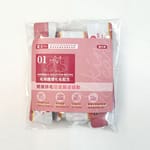
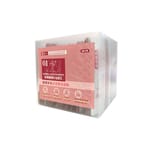
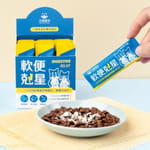
Rank 1: DogCatStar Gut Probiotics (Chicken Flavor) 2g x 30 packs (For Dogs and Cats) — This product is formulated as a powdered supplement, supplied in individual 2-gram sachets. Its primary active components are specific strains of beneficial bacteria, identified as probiotics, intended to support digestive flora. The formulation includes a chicken flavor additive, which is a palatability enhancer, typically composed of hydrolyzed proteins or flavor compounds derived from chicken. Excipients are used to ensure product stability and uniform dispersion of the probiotic cultures. The individual packaging in sealed sachets is designed to protect the live bacterial cultures from moisture and oxygen, which can degrade their viability. This format facilitates precise dosing and maintains product integrity until consumption. The product is designed for oral administration, mixed with food or directly consumed.
Rank 2: DogCatStar Gut Probiotics (Original Flavor) 2g x 30 packs (For Dogs and Cats) — Structurally identical to the chicken-flavored variant, this product also consists of a powdered probiotic formulation contained within individual 2-gram sachets. The key difference lies in the absence of a specific flavor additive, indicating that it relies on the natural palatability of its base ingredients or a neutral flavor profile. The active ingredients are probiotic bacterial strains, and the formulation includes standard excipients for stability and consistency. The packaging in sealed sachets maintains the viability of the live cultures by protecting them from environmental factors like humidity and oxidation. This format supports controlled dosing and product freshness for each serving. It is intended for oral administration.
Rank 3: Chanelle Contol Broad-Spectrum Deworming Tablets 10 tablets (For Dogs and Cats) — This product is presented in a solid tablet form, designed for oral administration. Its active ingredients are anthelmintic compounds, which are pharmaceutical agents targeting a broad spectrum of internal parasites. The tablets are formulated to contain precise dosages of these active compounds, combined with binders, disintegrants, and fillers to ensure tablet integrity, stability, and proper dissolution within the digestive tract. The tablets may be scored to facilitate division for accurate dosing based on animal weight. The packaging usually consists of blister packs or sealed containers to protect the tablets from moisture and light, maintaining the chemical stability of the active ingredients. This type of pet health product is classified as a pharmaceutical intervention rather than a nutritional supplement.
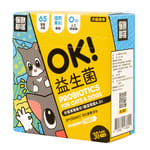
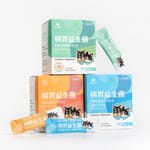
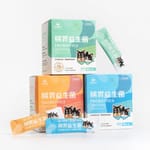
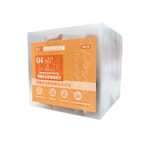
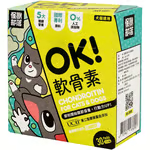
Rank 4: Monster Tribe Probiotics for Cats and Dogs OK! Probiotics 1.5g x 30 packs — This product is a powdered probiotic supplement, packaged in individual 1.5-gram sachets. It contains specific strains of viable microorganisms intended to support gut health in both canine and feline species. The formulation includes excipients that contribute to the stability and dispersibility of the probiotic cultures. The individual sachet format is a common structural choice for probiotic pet health products, as it provides protection against environmental degradation, such as exposure to moisture and air, thereby preserving the viability of the live bacteria. The product is intended for oral administration, typically by mixing the powder with the animal's food.
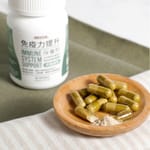
Rank 5: DogCatStar Immunity Boost Powder 50 capsules (For Dogs and Cats) — This product is presented in capsule form, containing a powdered blend of ingredients aimed at supporting immune function. The active ingredients may include vitamins, minerals, antioxidants, and specific botanical extracts or immunomodulators. The capsule shell, typically made of gelatin or a plant-based polymer, encases the powdered blend, protecting the ingredients from environmental exposure and facilitating precise dosing. Capsules are designed to dissolve in the digestive tract, releasing the active compounds for absorption. The product is packaged in a container, often a bottle, that protects the capsules from light and humidity. This format ensures the stability of the active components within these pet health products until consumption.
Pet Health Products: Quality Standards, Labeling Transparency, and Documentation Norms
Quality standards for pet health products typically involve adherence to principles similar to those found in human food and pharmaceutical industries, adapted for animal consumption. Manufacturing processes often follow Good Manufacturing Practices (GMP), ensuring consistency in production, control of contaminants, and accurate ingredient claims. Ingredients used in pet health products are expected to meet specific purity and safety criteria. For instance, if a product contains vitamins, the vitamin content must be verifiable through analytical testing and conform to the amount stated on the label. Microbial load testing is crucial for products containing live microorganisms, such as probiotics, to confirm the absence of pathogenic bacteria and the presence of specified beneficial strains at declared concentrations. Heavy metal testing is also a common standard to ensure products are free from harmful levels of lead, mercury, and other contaminants. Labeling transparency is a fundamental aspect of quality assurance in pet health products. Product labels are expected to list all active ingredients, their concentrations, and any excipients used. The Guaranteed Analysis section, particularly for nutritional supplements, provides a minimum or maximum percentage for key nutrients like protein, fat, fiber, and moisture. For products with specific functional claims, such as joint support or immune modulation, the label should clearly state the active compounds responsible for these effects. Batch numbers and expiration dates are mandatory, allowing for traceability and ensuring product freshness. Documentation norms include certificates of analysis (COAs) for raw materials and finished products, demonstrating that ingredients meet specifications and that the final product conforms to quality standards. Manufacturers are typically required to maintain detailed records of production, quality control, and distribution. These stringent requirements ensure the reliability and safety of pet health products for consumers.
Pet Health Products: Verifiable Factual Insights
One verifiable factual insight concerning pet health products is that certain probiotic strains are species-specific or have demonstrated benefits primarily in specific animal models. While some probiotic strains, such as certain Lactobacillus and Bifidobacterium species, are broadly beneficial across mammals, research often indicates that optimal efficacy can be achieved with strains isolated from the target animal species or those specifically studied in that species. For example, a probiotic strain proven effective in canine digestive health may not exhibit identical effects in felines due to differences in gut microbiota composition and physiological responses. This distinction underscores the importance of species-specific research in the development of effective pet health products. Another factual insight relates to the stability of active ingredients in various forms of pet health products. Lyophilization, or freeze-drying, is a common industrial process used to preserve the viability of live bacterial cultures in powdered probiotic supplements. This method removes water from the product at low temperatures, minimizing degradation and extending shelf life significantly compared to non-lyophilized preparations. The resulting dehydrated cultures remain dormant until rehydrated in the digestive tract, at which point they can become metabolically active. This processing technique is a critical factor in maintaining the potency of many probiotic pet health products over time and under varying storage conditions. The careful selection of processing methods directly impacts the functional attributes of the final pet health products.
The information presented provides a structured overview of the pet health products category, detailing aspects such as common classifications, material compositions, and quality control measures. This descriptive analysis focuses on observable attributes and established industry practices.
......View All