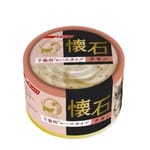
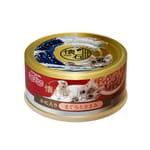
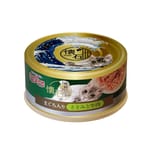
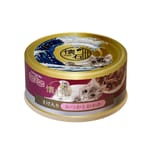
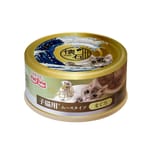
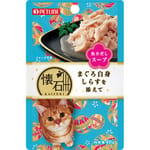
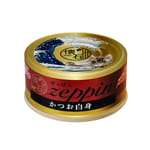
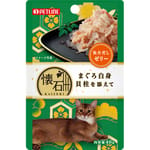
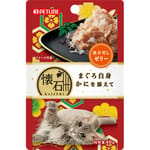
This category page gathers various Nissin cat wet food products, offering a selection of flavors and textures to meet feline dietary requirements. The Nissin product range includes both complete and supplementary cat wet foods, with some products potentially designed for specific life stages or needs. Visitors can explore suitable Nissin cat wet food options for their cats here, gaining further insight into the detailed information of each product. The product information presented is purely objective, without any promotional or subjective evaluations, aiming to provide a clear category overview and assist users in finding relevant Nissin food introductions.
Nissin cat wet food refers to a specific category of feline nutrition products formulated with high moisture content, typically presented in cans or pouches, designed to provide hydration and dietary components for domestic cats. These products are manufactured by the Nissin brand and encompass various formulations intended to meet different nutritional profiles and palatability preferences.
This article aims to describe the structural attributes, material composition, and usage context within the Nissin cat wet food category. Its purpose is to explain differences and characteristics, not to recommend products or compare advantages of specific formulations.
Nissin Cat Wet Food Classification and Practical Divisions
Nissin cat wet food products are commonly divided based on their primary form factor, which dictates aspects of their packaging, serving methodology, and shelf stability once opened. The two main divisions observed in practical supply contexts are canned wet food and pouch-packaged wet food, often referred to as "meal pouches." Canned formulations typically consist of a metal container, sealed to preserve freshness over extended periods, and are available in various sizes. The material composition of these cans is generally aluminum or steel, coated internally to prevent interaction between the food and the metal. Pouch-packaged variants, conversely, utilize flexible, multi-layered plastic or foil laminates. This construction offers a different set of attributes regarding storage and waste disposal. Within these primary divisions, further practical classifications emerge based on ingredient focus, such as formulations emphasizing specific protein sources like chicken or fish, or those designed for particular life stages, although these distinctions are more related to nutritional composition than to the fundamental product structure itself. The choice between canned and pouch formats for Nissin cat wet food often relates to storage considerations, portion control, and the frequency of feeding. Each format maintains a high moisture content, a defining characteristic of Nissin cat wet food.
Nissin Cat Wet Food: Material Composition and Processing Techniques
The material composition of Nissin cat wet food formulations involves a range of ingredients, primarily protein sources, moisture, fats, carbohydrates, vitamins, and minerals. Common protein sources include various fish species such as tuna, bonito, and sardine, as well as poultry like chicken. These protein components are processed to ensure digestibility and nutrient availability. The inclusion of moisture, typically exceeding 70%, distinguishes wet food from dry kibble and contributes significantly to feline hydration. Fats, sourced from animal or vegetable origins, provide concentrated energy and contribute to the palatability of the Nissin cat wet food. Carbohydrates, while present in lower quantities compared to dry food, might include ingredients like rice or other plant-based starches. Vitamins and minerals are added to ensure a complete and balanced nutritional profile, adhering to established dietary guidelines for felines. The processing techniques employed for Nissin cat wet food typically involve a combination of grinding, mixing, and thermal sterilization. Ingredients are initially prepared, often ground into pâté-like textures or cut into chunks, then mixed with water, oils, and supplemental nutrients. This mixture is then filled into cans or pouches, sealed, and subjected to high-temperature, high-pressure sterilization. This retort process ensures microbial safety and extends shelf life, making the product shelf-stable at ambient temperatures. The specific temperature and duration of sterilization are carefully controlled to minimize nutrient degradation while achieving commercial sterility. Variations in processing can influence the final texture, ranging from smooth pâtés to shredded or chunky preparations suspended in gravy or jelly. These textural differences are a direct result of ingredient preparation and the specific formulation methods applied during manufacturing of Nissin cat wet food.
Nissin Cat Wet Food: Properties Across Usage Environments
The properties of Nissin cat wet food can exhibit variations depending on the environmental conditions in which it is stored and served. Unopened, the products are designed for ambient storage, typically between 10°C and 30°C, maintaining their integrity for the duration specified by the "best by" date. Exposure to extreme temperatures, either excessively high or low, can influence the physical properties of the product. High temperatures may lead to degradation of certain heat-sensitive nutrients, although the retort process minimizes this risk for shelf-stable products. Freezing, while not compromising safety, can alter the texture of the Nissin cat wet food upon thawing, potentially affecting its consistency and palatability. Once opened, the environmental conditions become more critical for preserving the product's quality. Refrigeration is generally required to inhibit microbial growth and maintain freshness. An opened can or pouch of Nissin cat wet food, if not consumed entirely, should be stored in a refrigerator at temperatures below 5°C and typically used within 24 to 48 hours. Exposure to air, even under refrigeration, can lead to oxidation of fats and a gradual loss of moisture, changing the aroma and texture. The material composition of the packaging also plays a role. Canned Nissin cat wet food, once opened, is often recommended to be transferred to an airtight container to prevent metallic flavors from leaching into the food and to reduce odor transfer within the refrigerator. Pouch-packaged Nissin cat wet food, due to its flexible nature, may be more prone to drying out if not properly sealed after opening. These considerations highlight how storage practices directly influence the physical and chemical characteristics of the Nissin cat wet food during its consumption phase.
Nissin Cat Wet Food Product Information from Sales Ranking
The following information describes the material, formulation, and structural characteristics of specific Nissin cat wet food products, based on observed sales ranking data. This presentation focuses solely on objective product attributes.
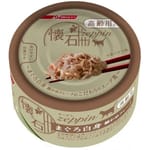
Rank 1: Nissin Kaiseki Supreme Chicken 80g (NP-Z15) — This product is a canned formulation, with chicken listed as a primary ingredient. Its structure is likely a pâté or shredded texture, typical for wet cat food in this weight class. The 80g designation refers to the net weight of the product within the metal can packaging. The formulation aims for a specific nutritional profile, with chicken providing the primary protein source. The NP-Z15 identifier denotes a specific product code for internal tracking or regional variant distinction of this Nissin cat wet food.
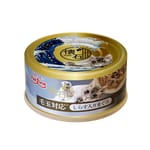
Rank 2: Nissin Kaiseki Tuna, Bonito, Crab Meat Pouch 65g (Red) — This item is a pouch-packaged Nissin cat wet food. The primary protein sources are tuna, bonito, and crab meat, indicating a marine-based flavor profile. The 65g weight specifies the net content within the flexible pouch. The "Red" designation might indicate a specific variant within a product line, possibly related to a flavor profile or ingredient emphasis, rather than a physical color. The formulation likely presents these ingredients in a shredded or flaked form, suspended in a liquid or jelly matrix.
Rank 3: Nissin Kaiseki Tuna, Bonito, Sardine Pouch 65g (Blue) — Also a pouch-packaged Nissin cat wet food, this product features tuna, bonito, and sardine as its principal protein components. The 65g content is consistent with other pouch offerings. The "Blue" designation, similar to the "Red" variant, likely serves as a product line identifier. The inclusion of sardine suggests a distinct oceanic flavor and potentially a different fatty acid profile compared to formulations without this ingredient. The texture would typically be small pieces or flakes in a liquid medium.
Rank 4: Nissin Kaiseki Tuna, Bonito, Scallop Pouch 65g (Orange) — This variant of Nissin cat wet food is also presented in a 65g pouch. Its key ingredients are tuna, bonito, and scallop. The "Orange" identifier differentiates it within the Kaiseki pouch series. Scallop inclusion indicates a specific marine invertebrate protein source, contributing a distinct flavor profile. The consistency is expected to be similar to other pouch products, with components suspended in a gravy or jelly.
Rank 5: Petline Kaiseki Tuna + Seafood + Scallop Pouch 40g (KP3) — This product, under the Petline brand but associated with the Nissin family, is a 40g pouch. The primary ingredients are tuna, general seafood, and scallop. The smaller 40g size suggests a single-serving or supplemental format. The "KP3" is a product code. The term "seafood" implies a broader range of marine ingredients beyond just tuna and scallop, which could include other fish or shellfish components. The texture would be consistent with a pouch format, typically small pieces or flakes in a hydrating liquid. This Nissin cat wet food offers a different portion size and ingredient blend.
Nissin Cat Wet Food: Quality Standards and Labeling Norms
The quality standards for Nissin cat wet food, like other commercially produced pet foods, are governed by a combination of national regulations and industry guidelines. In regions where these products are manufactured and sold, regulatory bodies establish specific requirements for ingredient sourcing, processing, and labeling. These regulations typically mandate that pet food labels accurately reflect the product's contents and nutritional adequacy. For Nissin cat wet food, labeling norms include a guaranteed analysis, which provides minimum percentages for crude protein and crude fat, and maximum percentages for crude fiber and moisture. The ingredient list is presented in descending order by weight, ensuring transparency regarding the primary components. Nutritional adequacy statements are also mandatory, indicating whether the product is formulated to meet the nutritional levels established by recognized standards, such as those set by the Association of American Feed Control Officials (AAFCO) in North America, or equivalent bodies in other regions. These statements specify if the food is complete and balanced for a particular life stage (e.g., adult maintenance, growth and reproduction) or if it is intended for intermittent or supplemental feeding. Manufacturing practices for Nissin cat wet food adhere to Good Manufacturing Practices (GMPs), which cover aspects such as facility hygiene, equipment maintenance, and quality control procedures to ensure product safety and consistency. Batch numbers and expiration dates are also standard labeling elements, providing traceability and indicating the period during which the product is expected to remain stable and nutritious. Certain certifications or endorsements from veterinary or animal welfare organizations may also appear, although these are typically voluntary. The objective of these standards and norms is to provide consumers with verifiable, objective information about the Nissin cat wet food product's composition and suitability for feline consumption.
Nissin Cat Wet Food: Verifiable Factual Insights
One verifiable factual insight regarding Nissin cat wet food, and wet cat food in general, pertains to its contribution to feline hydration. Domestic cats, particularly those with a wild ancestral lineage, often have a low thirst drive and may not consume sufficient water independently, especially when fed primarily dry kibble. The high moisture content in Nissin cat wet food, typically ranging from 70% to 85%, provides a significant portion of a cat's daily water intake, which can be beneficial for renal health and overall physiological function. This characteristic is a fundamental aspect of its design and nutritional role. Another insight relates to the thermal processing methods used in the production of Nissin cat wet food. The retort sterilization process, involving high temperatures and pressures, effectively eliminates pathogenic microorganisms, rendering the product commercially sterile and shelf-stable without the need for refrigeration until opened. This process also denatures proteins, which can sometimes enhance digestibility for some felines, though it can also lead to the degradation of a small percentage of certain heat-sensitive vitamins. The specific parameters of this thermal treatment are precisely controlled to balance microbial safety with nutritional preservation, a critical engineering aspect of Nissin cat wet food manufacturing.
This article has provided a structured overview of Nissin cat wet food, detailing its classification, material composition, processing, and contextual properties. The information presented is based on objective characteristics and verifiable industry standards, without offering any interpretive or evaluative assessments.
......View All