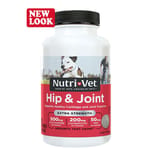
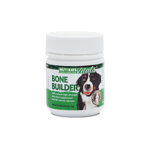
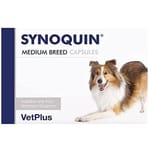
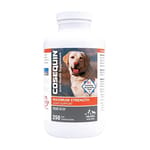
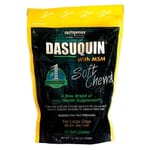
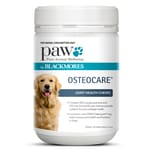
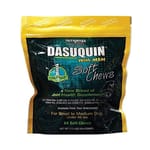
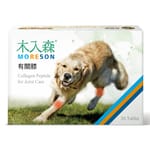
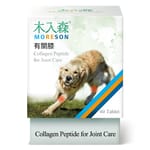
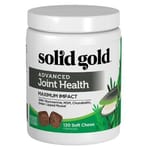
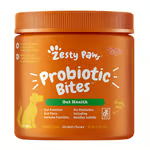
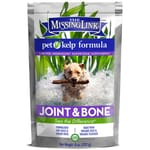
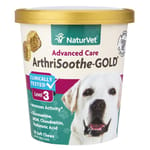
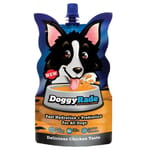
This category compiles various health supplements designed to maintain bodily functions and enhance quality of life. It includes products specifically for gastrointestinal health, aimed at supporting the normal operation of the digestive system. Additionally, items beneficial for joint care are featured, offering different forms of nutritional supplements to maintain joint flexibility and comfort. These health supplements are categorized by their ingredients, forms, and mechanisms of action, providing a diverse range of choices to meet different needs. Each product lists its main ingredients and suggested usage, allowing users to understand its characteristics. The information presented in this category is purely descriptive and does not involve any therapeutic claims, serving only as a reference to provide a clear categorical overview.
The category of digestive and joint health supplements for pets encompasses a diverse array of products formulated to support gastrointestinal function and musculoskeletal integrity in companion animals.
This article aims to provide a structured overview of this category, focusing on its classification, material composition, structural attributes, and relevant standards. The content is presented without endorsement of specific products or comparative evaluation of their advantages.
Digestive and Joint Health Supplements: Classification by Target System
The field of digestive and joint health supplements for pets is generally divided based on the primary physiological system they are intended to support. One primary classification distinguishes products aimed at gastrointestinal support, often referred to as digestive aids for pets. These formulations target various aspects of digestive function, including enzyme activity, microbial balance, and gut barrier integrity. A second major classification includes products designed for musculoskeletal support, commonly known as pet joint care supplements. These formulations typically address joint lubrication, cartilage maintenance, and connective tissue resilience. Some products may incorporate ingredients that offer synergistic benefits across both systems, indicating a multi-system approach in their formulation. The specific ingredients and their concentrations often dictate which classification a product primarily falls under.
Digestive and Joint Health Supplements: Material Composition and Formulation Methods
The material composition of digestive and joint health supplements varies significantly depending on their intended physiological target and delivery format. For digestive aids, common active ingredients include probiotics, prebiotics, digestive enzymes, and various botanical extracts. Probiotics are live microorganisms, typically bacteria or yeasts, administered to confer a health benefit on the host, often through modulation of the gut microbiota. Prebiotics are non-digestible food ingredients that selectively stimulate the growth and/or activity of beneficial bacteria in the colon. Digestive enzymes, such as amylase, protease, and lipase, facilitate the breakdown of carbohydrates, proteins, and fats, respectively. Botanical extracts, like ginger or marshmallow root, may be included for their purported soothing or anti-inflammatory properties within the gastrointestinal tract. These ingredients are often combined in specific ratios to achieve a comprehensive digestive support profile. The formulation methods for digestive health supplements can involve encapsulation of live cultures to protect them from stomach acid, or incorporation into powders, pastes, or chewable tablets for ease of administration.
For joint health supplements, key ingredients frequently include glucosamine, chondroitin sulfate, methylsulfonylmethane (MSM), hyaluronic acid, and omega-3 fatty acids. Glucosamine and chondroitin sulfate are structural components of cartilage, and their supplementation is intended to support cartilage repair and maintenance. MSM is an organic sulfur compound that may contribute to connective tissue health. Hyaluronic acid is a major component of synovial fluid, which lubricates joints, and its inclusion aims to improve joint fluid viscosity. Omega-3 fatty acids, particularly eicosapentaenoic acid (EPA) and docosahexaenoic acid (DHA) derived from fish oils, are recognized for their anti-inflammatory properties, which can benefit joint comfort. Other ingredients might include green-lipped mussel extract, known for its combination of omega-3s and glycosaminoglycans, or various antioxidants. These joint health supplements are produced in various forms, including tablets, chewables, liquids, and soft gels. The manufacturing process often involves precise blending and granulation to ensure uniform distribution of active compounds and consistent dosage in each unit. For liquid formulations, homogenization and stabilization techniques are employed to prevent ingredient separation and maintain product integrity over time. The choice of excipients, such as binders, fillers, and flavoring agents, is also a critical aspect of formulation, affecting palatability and stability of digestive and joint health supplements.
Digestive and Joint Health Supplements: Properties Across Usage Environments
The properties of digestive and joint health supplements exhibit variations based on their intended usage environments and the specific physiological conditions they address. For instance, a digestive aid designed for daily maintenance in a healthy pet may contain a lower concentration of probiotics or enzymes compared to a formulation intended for pets experiencing acute digestive upset. Products targeting chronic gastrointestinal sensitivities might incorporate specific strains of probiotics or prebiotics known for their ability to modulate immune responses within the gut. Similarly, joint health supplements formulated for young, active animals aiming for preventative support may differ in their ingredient profile from those developed for older pets with established joint degeneration. The former might focus more on cartilage-building blocks, while the latter could emphasize anti-inflammatory components and higher dosages of chondroprotectants. Environmental factors, such as ambient temperature and humidity, can also influence the stability of certain ingredients, particularly live probiotic cultures. Manufacturers often employ specialized packaging, such as foil-lined pouches or amber glass bottles, to mitigate degradation due to light, moisture, or oxygen. The format of the digestive and joint health supplements, whether liquid, powder, or chewable, also impacts its suitability for different administration contexts, such as mixing with food or direct oral dosing. The palatability of chewable formulations is a key consideration for ensuring consistent intake in a home environment, whereas liquid forms might be preferred for ease of measuring and mixing into meals.
Digestive and Joint Health Supplements: Product Characteristics from Sales Ranking
Rank 1: Lintbells YuMOVE Dog Joint Supplement 300 Tablets. This product is formulated as a tablet, with a primary focus on canine joint health. Its composition typically includes glucosamine, chondroitin, and green-lipped mussel extract. The tablets are designed for oral administration and are generally characterized by a specific tablet size and hardness to ensure accurate dosing and stability. The inclusion of green-lipped mussel extract provides a source of omega-3 fatty acids and glycosaminoglycans. The 300-tablet count indicates a larger packaging size intended for extended use.
Rank 2: ProVida Digest-Aid Pet Digestive Support 200g. This product is presented as a powder, specifically designed to support pet digestion. Its material composition frequently includes prebiotics, probiotics, and digestive enzymes. The powdered form allows for easy mixing with pet food. The 200g packaging indicates a specific volume for the powdered supplement. The formulation aims to support the balance of gut flora and enhance nutrient absorption through its enzyme content, classifying it as a digestive aid for pets.
Rank 3: Solid Gold Joint Mobility Supplement 120 Capsules (for Dogs). This supplement is provided in capsule form, targeting canine joint health. Key ingredients often include glucosamine, chondroitin, and MSM. The encapsulated format ensures precise dosage and can protect ingredients from degradation until consumption. The 120-capsule quantity suggests a supply for a defined period of use. The formulation concentrates on providing structural components for cartilage and connective tissue, positioning it within the joint health category.
Rank 4: Lintbells YuMOVE Dog Joint Supplement 60 Tablets. Similar to the Rank 1 product, this is a tablet-based supplement for canine joint health. Its material composition includes glucosamine, chondroitin, and green-lipped mussel extract. The 60-tablet count represents a smaller packaging size compared to the 300-tablet variant, catering to different purchasing frequencies or trial periods. The structural characteristics of the tablets are consistent across the YuMOVE range, focusing on ease of administration and ingredient stability for digestive and joint health supplements.
Rank 5: Mybeau Bone & Joint Nutritional Gel 300ml. This product is a liquid nutritional gel, formulated to support bone and joint health. Its composition typically includes omega-3 and omega-6 fatty acids, vitamins, and minerals, often with additional ingredients like glucosamine or chondroitin. The gel consistency facilitates direct oral administration or mixing with food. The 300ml volume indicates a liquid format. The formulation emphasizes a combination of nutrients to support musculoskeletal integrity and overall well-being, categorizing it as a comprehensive approach to digestive and joint health supplements.
Digestive and Joint Health Supplements: Quality Standards and Labeling Norms
Quality standards and labeling transparency are fundamental aspects governing the production and distribution of digestive and joint health supplements. Regulatory bodies in various jurisdictions establish guidelines for ingredient sourcing, manufacturing processes, and product claims. For instance, in some regions, ingredients must meet specific purity standards, and manufacturers are required to adhere to Good Manufacturing Practices (GMP). GMP guidelines ensure that products are consistently produced and controlled according to quality standards, covering aspects from raw material handling to finished product testing. Labels on digestive and joint health supplements typically display a guaranteed analysis, which specifies the minimum or maximum concentrations of key active ingredients. This analysis provides objective data regarding the product's composition.
Furthermore, ingredient lists are mandated to be comprehensive, detailing all components in descending order of predominance. This allows consumers to understand the full material composition. Batch numbers and expiration dates are also standard requirements, enabling traceability and indicating the product's shelf life. Some manufacturers voluntarily participate in third-party quality assurance programs, which involve independent testing to verify ingredient content and absence of contaminants. Certifications from organizations that validate product claims or sustainable sourcing practices may also appear on labels. For probiotic-containing digestive health supplements, labels often indicate the number of colony-forming units (CFUs) at the time of manufacture or at the time of expiration, providing a measure of viable microbial content. The absence of certain common allergens or artificial additives is also frequently highlighted on product packaging, reflecting specific formulation choices for digestive and joint health supplements.
Digestive and Joint Health Supplements: Factual Insights
A factual insight regarding digestive and joint health supplements concerns the bioavailability of certain compounds. For instance, the molecular weight of hyaluronic acid can significantly influence its absorption and distribution within the body. Lower molecular weight hyaluronic acid is sometimes hypothesized to be more readily absorbed from the gastrointestinal tract than higher molecular weight variants, although research on this specific aspect in pets is ongoing. This material characteristic directly relates to its potential efficacy in supporting joint lubrication. Another verifiable insight pertains to the stability of probiotic strains in digestive health supplements. Different strains of bacteria have varying tolerances to gastric acidity and bile salts. Manufacturers often select specific strains known for their resilience in the gastrointestinal environment or employ encapsulation technologies to protect these microorganisms during transit through the digestive system, ensuring a higher number of viable cells reach the lower gut. This consideration is crucial for the functional effectiveness of probiotic-based digestive and joint health supplements.
The category of digestive and joint health supplements encompasses products with distinct formulations and intended applications. Understanding the classifications, material compositions, structural forms, and relevant quality standards provides a foundation for comprehending these pet care items.
......View All