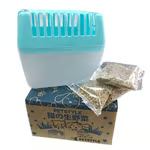
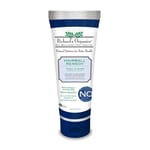
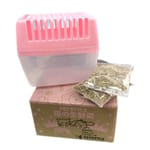
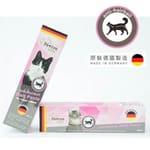
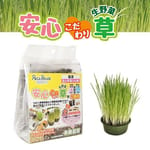
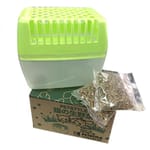
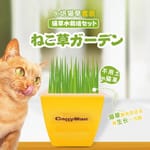
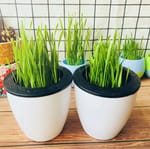
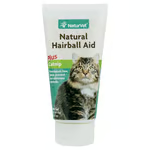
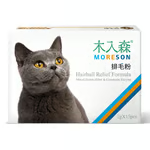
This category page features a variety of cat hairball remedies, designed to support feline digestive health. Cat hairball products come in various forms, such as hairball pastes, powders, herbal fibers, and related treats. The ingredients and mechanisms of action for these products vary; some work by increasing dietary fiber to aid hair expulsion, while others may contain ingredients that lubricate the intestinal tract. The selection of cat health supplements should consider the cat's age, weight, and daily dietary habits. Situations where a cat is unable to vomit hairballs may be related to hair accumulation, and appropriate hairball care can help alleviate such issues. These products are non-medicinal aids primarily intended for daily maintenance, aiming to support the normal functioning of the cat's digestive system. The prevention and management of feline trichobezoars, in addition to regular grooming, can be complemented with suitable hairball products to maintain their quality of life.
Feline hairball control products constitute a category of supplements and dietary aids designed to manage the accumulation and elimination of ingested hair in domestic cats.
This article aims to provide a structured classification of feline hairball control products, detailing their attributes, composition, and application contexts. The focus remains strictly on objective information, avoiding any product recommendations, comparative analyses, or purchase guidance.
Feline Hairball Control Products: Classification by Primary Mechanism
The category of feline hairball control products is commonly divided based on their primary operational mechanism within the feline digestive system. One major classification distinguishes between products that promote the smooth passage of hair through the digestive tract and those that aim to break down or soften hairballs for easier expulsion. Products facilitating passage often rely on lubricating agents or increased fiber content to aid peristalsis. Conversely, formulations designed for softening or breakdown may incorporate specific enzymes or moisture-retaining ingredients. Another distinction arises from the product form, which can influence both the delivery method and the rate of absorption or action. This includes pastes, powders, chews, and specialized food formulations, each presenting different characteristics regarding palatability and ease of administration. The physical state of the product directly correlates with its manufacturing process and the types of excipients or binders required for stability and efficacy.
Feline Hairball Control Products: Material Composition and Formulation Methods
The material composition of feline hairball control products varies significantly, reflecting diverse approaches to managing ingested hair. Lubricating agents frequently include petroleum jelly, mineral oil, or various vegetable oils such as soybean oil or flaxseed oil. These ingredients function by coating the ingested hair, reducing friction, and facilitating its movement through the gastrointestinal tract. Fiber-based formulations, on the other hand, often utilize plant-derived fibers like psyllium husk, cellulose powder, or beet pulp. These fibers increase the bulk of the ingesta and can absorb water, contributing to a softer stool consistency and promoting regular bowel movements, which aids in the elimination of hair. Some products incorporate digestive enzymes, such as proteases or lipases, intended to assist in the breakdown of organic matter, although their direct efficacy on keratinized hair in the digestive tract is an area of ongoing research. Malt extract is also a common component, acting as a palatable base and potentially offering mild laxative properties. The formulation methods for these products involve processes such as emulsion creation for pastes, granulation for powders, and extrusion for chewable forms, each designed to ensure ingredient stability, palatability, and consistent dosage of the feline hairball control product.
Feline Hairball Control Products: Properties Across Usage Environments
The properties of feline hairball control products can exhibit variations depending on the specific usage environment and the physiological state of the cat. For example, a product designed to increase fiber intake might show different effects in a cat with a pre-existing digestive sensitivity compared to a cat with a robust digestive system. Environmental factors such as ambient humidity can affect the stability and texture of paste or powder formulations if not stored correctly, potentially altering their intended efficacy. The frequency of a cat vomiting hairballs, or "cat vomiting hairballs frequency," can also influence how a product's properties are perceived; a cat that rarely vomits hairballs might not exhibit as pronounced a response to a preventative supplement as one that frequently experiences issues. Similarly, the presence of specific dietary restrictions or concurrent medical conditions in a cat can modify how a particular formulation is metabolized or utilized, thereby altering its observable properties. Products intended for daily preventative use will have different property requirements, such as palatability and ease of integration into the cat's routine, compared to those administered for acute hairball management. The physical environment, including access to fresh water, also impacts the effectiveness of fiber-based feline hairball control products, as adequate hydration is essential for fiber to function optimally in the digestive tract.
Feline Hairball Control Products: Characteristics from Sales Data
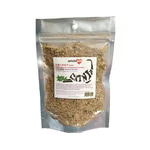
Rank 1: DogCatStar Hairball Control Powder Mountain Flavor 50g (for Cats and Dogs) — This product is a powdered supplement. Its primary characteristic is its formulation as a powder, which allows for easy mixing with food. The "Mountain Flavor" indicates the inclusion of specific palatability enhancers, likely derived from natural sources, designed to increase acceptance by both cats and dogs. The 50g unit size indicates it is a relatively concentrated or single-purpose supplement. The powdered form implies a manufacturing process involving drying and milling ingredients to a fine consistency, often including carriers or anti-caking agents to maintain flowability. This feline hairball control product is designed for regular dietary incorporation.
Rank 2: DogCatStar Hairball Control Powder Original Flavor 50g (for Cats and Dogs) — This product shares the powdered form and 50g unit size with the Rank 1 item, suggesting a similar manufacturing process involving drying and milling. The "Original Flavor" designation typically indicates a formulation without specific added flavor profiles beyond the inherent taste of its core ingredients, or a foundational flavor blend. This suggests a focus on the primary functional components of the feline hairball control product. Its dual-species applicability (cats and dogs) implies a formulation that is safe and generally palatable across these animal types, likely free from ingredients specific to one species' dietary needs or sensitivities.
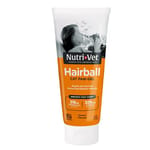
Rank 3: Nutrivet Cat Salmon Hairball Paste (with Salmon Oil) 3oz — This product is presented as a paste, indicating a semi-solid consistency achieved through emulsification or suspension of ingredients. The inclusion of "Salmon Oil" suggests a lubricating mechanism due to the fatty acid content, which can aid in the smooth passage of ingested hair. Salmon oil also contributes to palatability through its inherent flavor. The 3oz unit size is typical for paste formulations, designed for direct oral administration or application onto paws. The "paste" form requires specific manufacturing processes to ensure stability against separation and to maintain a consistent texture throughout its shelf life, often involving stabilizers and emulsifiers. This feline hairball control product is designed for direct administration.
Rank 4: DogCatStar Hairball Control Powder Seafood Flavor 50g (for Cats and Dogs) — Similar to the other DogCatStar powders, this product is a 50g powdered supplement. The "Seafood Flavor" indicates the incorporation of specific flavor enhancers derived from marine sources, catering to preferences for seafood-based palatability. This suggests a formulation strategy focused on appealing to a broader range of animal tastes. The powdered form allows for flexible dosing and integration into meals. The manufacturing process would be consistent with other powdered supplements, involving careful blending and particle size control. Its classification as a feline hairball control product implies its primary function in managing ingested hair.
Rank 5: DR.pet Heart Health Hairball Control Powder 50g — This product is a powdered supplement in a 50g unit. A notable characteristic is the dual claim of "Heart Health" and "Hairball Control," indicating a multi-functional formulation. This suggests the inclusion of ingredients aimed at supporting cardiovascular function in addition to hairball management components, such as fiber or lubricants. The powdered form is consistent with other supplements designed for dietary integration. The manufacturing process would involve precise blending of various active ingredients to ensure both efficacy for hairball control and the functional properties related to heart health. The combination of functions distinguishes this feline hairball control product by offering broader health support.
Feline Hairball Control Products: Quality Standards and Labeling Norms
Verifiable quality standards and labeling transparency are fundamental in the classification of feline hairball control products. Reputable manufacturers adhere to Good Manufacturing Practices (GMP), which ensure consistent quality, purity, and potency of ingredients, as well as the safety of the manufacturing process. Labeling norms typically require a comprehensive list of all ingredients, clearly stating their common or scientific names and often their concentrations or ratios. Nutritional information, including crude protein, crude fat, crude fiber, and moisture content, is usually provided, aligning with pet food and supplement labeling regulations. The presence of specific active ingredients, such as psyllium husk, petroleum jelly, or various enzymes, should be explicitly declared. Manufacturing dates, expiration dates, and lot numbers are routinely included, allowing for product traceability and recall if necessary. Furthermore, claims regarding efficacy, such as "helps reduce hairball formation" or "supports digestive health," are often substantiated by internal testing or scientific literature, though the extent of such substantiation can vary. The absence of certain undesirable ingredients, like artificial colors or preservatives, may also be highlighted on product labels as a quality indicator for a feline hairball control product.
Feline Hairball Control Products: Verifiable Factual Insights
One verifiable factual insight regarding feline hairball control products pertains to the composition of hairballs themselves. Hairballs, or trichobezoars, are primarily composed of keratin, a highly resistant protein that forms hair, claws, and the outer layer of skin. This keratinous composition explains why digestive enzymes typically found in the feline gut have limited ability to break down intact hair. The physical structure of hair, particularly its smooth surface and resistance to degradation, necessitates mechanical or lubricating actions from supplements for effective elimination. This also addresses why a cat vomiting hairballs might exhibit a distinct sound during expulsion, as the dense, compacted mass navigates the esophagus. Another insight relates to the frequency of hairball expulsion. While it is often asked, "do all cats vomit hairballs?", the reality is that while most cats ingest hair during grooming, not all cats regularly vomit hairballs. Factors such as coat length, grooming habits, and individual digestive motility influence the likelihood and frequency of hairball formation and expulsion. A cat's natural digestive processes are designed to pass some ingested hair, but excessive grooming or slower gut transit can lead to accumulation, making feline hairball control products beneficial in certain circumstances.
This article has presented a classification of feline hairball control products based on their structural characteristics, material composition, and operational mechanisms. The information provided is intended to offer a neutral description of the category's attributes and verifiable facts.
......View All