This page lists various cat food products, including veterinary diets designed for specific needs. Veterinary diets, often recommended by veterinarians, aim to meet the nutritional requirements of pets under particular physiological conditions. This type of cat food differs from general commercial cat food in its ingredient formulation; its nutritional ratios and ingredient selection are adjusted according to various health considerations. For instance, some veterinary diets offer specialized formulas for urinary tract health, digestive sensitivity, or kidney function. The development of veterinary diets is based on animal nutrition and veterinary clinical experience, ensuring that the nutritional support provided aligns with specific health management objectives. When selecting cat food, understanding the characteristics of different veterinary diets assists pet owners in making appropriate choices for their cats, such as prescription cat food for urinary issues. These products are designed to provide professional nutritional support to aid in the health management of cats.
Prescription cat food, also known as veterinary cat food, constitutes a specialized category of feline diets formulated to address specific health conditions or nutritional requirements as determined by a veterinary professional.
This article aims to describe the structural attributes, material composition, and usage context of prescription cat food, rather than to promote purchases or provide selection advice for individual circumstances.
Prescription Cat Food Classification by Therapeutic Indication
Prescription cat food is commonly categorized based on the specific health conditions it is designed to manage. This classification reflects distinct nutritional profiles and ingredient selections tailored to mitigate symptoms, support organ function, or aid in recovery. For instance, diets may be formulated for renal support, gastrointestinal sensitivity, urinary tract health, or diabetes management. Each classification targets a particular physiological system or metabolic process that requires dietary modification. Manufacturers develop these formulations in consultation with veterinary nutritionists, ensuring that the nutrient ratios, ingredient types, and processing methods align with the therapeutic goals for each indication. The labeling typically indicates the primary health concern the diet addresses, providing a clear distinction between different types of prescription cat food available in the market.
Prescription Cat Food: Material Composition and Formulation Methods
The material composition and formulation methods of prescription cat food diverge significantly from general maintenance diets, primarily due to the specific health objectives. These diets often feature modified protein levels, altered mineral concentrations, specific carbohydrate sources, and the inclusion of targeted functional ingredients. For example, renal diets typically contain reduced phosphorus and protein levels to lessen the burden on compromised kidneys, while gastrointestinal diets might incorporate highly digestible proteins, prebiotics, and probiotics to support digestive health. The selection of fats can also vary, with specific fatty acid profiles used to manage inflammatory conditions. Manufacturing processes may also be specialized to ensure ingredient stability and nutrient bioavailability. For instance, some formulations might undergo specific cooking temperatures or extrusion processes to create a kibble structure that is easier to digest or to preserve sensitive nutrients. The precise balance of macronutrients and micronutrients is a defining characteristic, often requiring exact measurements and quality control during production to meet the stringent requirements of veterinary cat food.
Prescription Cat Food: Properties Across Usage Environments
The properties of prescription cat food vary across different usage environments, particularly concerning the duration and context of feeding. While some prescription cat food formulations are intended for short-term use during acute illness or recovery, others are designed for long-term or even lifelong dietary management of chronic conditions. For example, a diet for acute gastrointestinal upset might be highly palatable and easily digestible to encourage consumption during a period of reduced appetite, whereas a diet for chronic kidney disease is formulated for sustained nutritional support over months or years. The environmental factors, such as ambient temperature or the cat's activity level, generally do not alter the intrinsic nutritional properties of the food itself, but they can influence a cat's energy requirements. Therefore, while the core formulation remains consistent, a veterinarian might adjust feeding quantities based on individual metabolic needs, which can be influenced by environmental factors. The consistent application of the specific prescription cat food as directed is paramount for achieving the intended therapeutic outcome, regardless of the usage environment.
Prescription Cat Food Product Characteristics by Sales Ranking
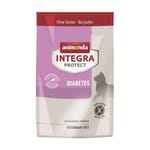
Rank 1: Animonda INTEGRA PROTECT Prescription Cat Food Adult Diabetes Formula 1.2kg – This formulation is designed to support adult cats with diabetes. Its material characteristics typically involve a controlled carbohydrate content and specific fiber types to help regulate blood glucose levels. The protein sources are selected for lean muscle maintenance, and the fat content is balanced to provide energy without contributing to excessive weight gain, which can exacerbate diabetic conditions. The precise nutrient ratios are calibrated to minimize post-prandial glucose spikes, a key consideration for diabetic management. The kibble structure is typically uniform, ensuring consistent intake of the specialized blend.
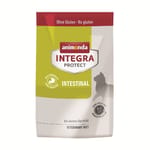
Rank 2: Animonda INTEGRA PROTECT Prescription Cat Food Adult Intestinal Formula 1.2kg – This prescription cat food is formulated for adult cats experiencing intestinal sensitivities or digestive disturbances. Its material composition focuses on high digestibility, often incorporating easily assimilated proteins and fats. It frequently includes prebiotics and specific fiber blends to support a healthy gut microbiome and promote optimal stool consistency. The ingredient list is typically limited to reduce potential allergens and irritants. The kibble is usually designed for easy chewing and digestion, minimizing stress on the gastrointestinal tract.
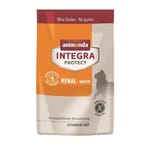
Rank 3: Animonda INTEGRA PROTECT Prescription Cat Food Adult Renal Formula 1.2kg – This diet is specifically developed for adult cats with kidney disease. The material characteristics include significantly reduced levels of phosphorus and protein, which are known to exacerbate renal decline. The protein sources are often of high biological value, ensuring adequate amino acid supply despite the reduced quantity. It may also contain adjusted levels of sodium and potassium, and often includes omega-3 fatty acids for their anti-inflammatory properties. The formulation aims to minimize the metabolic workload on the kidneys while providing complete nutrition. The texture and palatability are often optimized to encourage consumption in cats with reduced appetite due to renal issues.
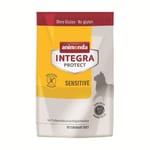
Rank 4: Animonda INTEGRA PROTECT Prescription Cat Food Adult Sensitive Formula 1.2kg – This prescription cat food is tailored for adult cats with food sensitivities or allergies. Its material composition typically features a single novel protein source or hydrolyzed proteins, which are broken down into smaller peptides to reduce the likelihood of an immune response. The carbohydrate sources are also often limited to single, easily digestible options. The formula is free from common allergens such as dairy, soy, and wheat, and frequently avoids artificial colors, flavors, and preservatives. The structural form of the kibble is consistent, ensuring each piece delivers the specified allergen-reduced profile.
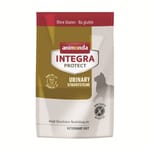
Rank 5: Animonda INTEGRA PROTECT Prescription Cat Food Adult Urinary Struvite Management Formula 1.2kg – This prescription cat food is designed to assist in the management of struvite urolithiasis in adult cats. Its key material characteristics involve precise mineral levels, particularly magnesium and phosphorus, and ingredients that promote a specific urinary pH. The formulation aims to create an acidic urine environment, which helps dissolve existing struvite crystals and discourages their formation. It typically includes increased water intake encouragement through specific ingredient profiles or sodium levels. The nutrient balance supports overall urinary tract health, and the kibble structure ensures uniform delivery of the pH-modifying components.
Prescription Cat Food: Quality Standards and Labeling Norms
The quality standards for prescription cat food are generally more stringent than those for general maintenance diets, reflecting their therapeutic purpose. These products are often regulated under specific guidelines that ensure efficacy, safety, and consistent nutritional composition. Labeling transparency is a key aspect, with manufacturers providing detailed information on nutrient analysis, ingredient lists, and specific indications for use. Labels typically include a statement indicating that the product is a "veterinary diet" or "prescription diet" and should only be used under the guidance of a veterinary professional. This ensures that the specialized nature of the food is clearly communicated to the consumer. Documentation norms often include scientific studies and clinical trials that support the therapeutic claims made for the formulation. These studies provide verifiable data on how the diet impacts the specific health condition it targets. Furthermore, the manufacturing facilities producing prescription cat food adhere to Good Manufacturing Practices (GMPs) to ensure product quality and prevent contamination, a crucial consideration for a product intended for medically fragile animals. The presence of specific certifications or endorsements from veterinary organizations can also signify adherence to elevated quality benchmarks for prescription cat food.
Verifiable Insights into Prescription Cat Food
A verifiable factual insight concerning prescription cat food is that specific mineral ratios, such as the calcium-to-phosphorus ratio, are meticulously controlled in renal diets. This control is critical because an imbalance can exacerbate kidney disease progression. Another insight is that hydrolyzed protein diets, a type of prescription cat food for food sensitivities, involve a process where proteins are broken down into very small peptide fragments. These fragments are typically too small to be recognized by the immune system as allergens, thus preventing an allergic reaction in sensitive cats. This enzymatic hydrolysis is a specific manufacturing technique that differentiates these specialized diets from conventional protein sources.
The information presented outlines the structure, characteristics, and underlying principles of prescription cat food without making any judgments on product suitability or offering purchasing advice.
......View All