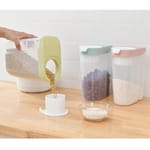
Dining utensils encompass a variety of vessels and tools primarily used for the preparation, serving, consumption, and storage of food. The design of these products aims to meet diverse culinary needs and eating habits, including various tableware, cooking tools, and storage containers. Material choices are diverse, commonly including ceramic, glass, stainless steel, wood, and plastic, each possessing distinct physical properties and applicable scenarios. The forms and functions of dining utensils vary according to culture, region, and purpose, ranging from basic bowls, plates, chopsticks, and spoons, to specialized baking molds and fresh-keeping boxes, all falling within this category. These eating utensils play a significant role in daily life, ensuring the hygiene and convenience of food handling, and assisting in a wide range of dining activities.
Pet feeding and watering implements constitute a diverse category of devices and containers designed for the provision of sustenance and hydration to companion animals.
This article aims to describe the structural attributes, material composition, and usage context of pet feeding and watering implements, rather than to recommend specific products or compare their advantages.
Pet Feeding and Watering Implements: Classification by Function and Mechanism
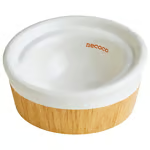
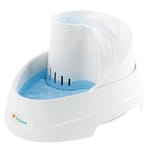
The classification of pet feeding and watering implements is primarily driven by their core function and the mechanism employed for food or water delivery. These implements are broadly grouped into feeding devices and watering devices, each with further subdivisions based on operational principles. Feeding devices encompass bowls, dispensers, and specialized feeders. Bowls, the most fundamental type, are open containers designed for holding solid food or water, relying on manual replenishment. Dispensers, conversely, introduce an element of automation or controlled release. Mechanical dispensers operate through gravity or simple lever mechanisms, releasing a predetermined quantity of food as the pet consumes the portion in the accessible tray. Electronic or smart dispensers incorporate sensors, timers, and often connectivity features, allowing for scheduled feeding times and precise portion control. Specialized feeders address particular dietary needs or behavioral patterns, such as slow feeders designed to mitigate rapid consumption by incorporating internal obstacles or mazes. Watering devices include bowls, fountains, and automated water dispensers. Water bowls, similar to their feeding counterparts, are static containers. Water fountains, however, introduce circulation, often with filtration systems, to provide flowing water, which can appeal to some animals. Automated water dispensers, much like their food counterparts, can utilize gravity-fed reservoirs or electronic pumps to maintain a constant water level or dispense water on demand. The distinction between these categories lies in their level of automation, the complexity of their internal mechanisms, and their capacity for user interaction or programming. Each sub-category serves a specific purpose in managing a pet's nutritional intake and hydration, influencing the frequency of human intervention required and the consistency of provision. The material selection for these pet feeding and watering implements is often dictated by the intended function and the durability requirements for sustained use.
Pet Feeding and Watering Implements: Material Composition and Structural Forms
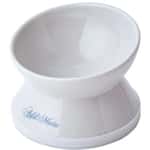
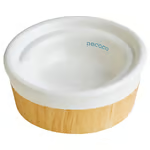
The material composition and structural forms of pet feeding and watering implements exhibit significant variation, influenced by factors such as durability, hygiene, and specific functional requirements. Common materials include plastics, ceramics, stainless steel, and, less frequently, glass or silicone. Plastics, such as polypropylene (PP), acrylonitrile butadiene styrene (ABS), and polyethylene terephthalate (PET), are widely utilized due to their light weight, cost-effectiveness, and ease of molding into complex shapes. ABS, for instance, is often chosen for the outer casings of electronic dispensers due to its impact resistance and rigidity. PP is frequently used for food contact components due to its chemical resistance and ability to withstand repeated washing. PET is common in water reservoirs due to its clarity and barrier properties. Ceramic implements, typically made from fired clay, offer weight and stability, reducing the likelihood of tipping. They are also non-porous when glazed, which contributes to ease of cleaning and bacterial resistance. Stainless steel (e.g., 304 grade) is valued for its exceptional durability, corrosion resistance, and hygienic properties, making it a preferred material for bowls and internal components of watering systems that come into direct contact with food or water. Its non-reactive nature ensures that no flavors or chemicals leach into the contents. Silicone, a flexible polymer, is used for collapsible bowls, sealing gaskets, and certain internal components due to its heat resistance and non-toxic properties. The structural forms vary from simple open bowls to intricate multi-component automated systems. Basic bowls feature a single, open container. Gravity feeders and waterers typically comprise a base and a vertically oriented reservoir, with a mechanism at the base that dispenses contents as needed. Electronic feeders and fountains integrate multiple components: a food or water reservoir, a dispensing mechanism (e.g., auger or pump), a power source, control circuitry, and sometimes sensors or cameras. These structures often feature modular designs, allowing for easier cleaning and replacement of specific parts, such as filter elements in water fountains. The selection of materials and the design of structural forms are critical considerations in the manufacturing of pet feeding and watering implements, directly impacting their longevity and suitability for their intended application.
Pet Feeding and Watering Implements: Variation Across Usage Environments
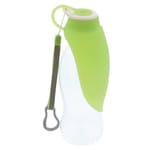
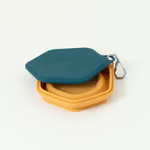
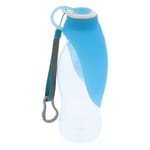
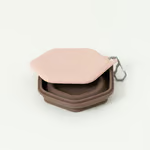
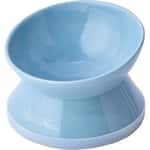
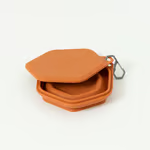
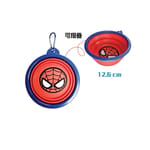
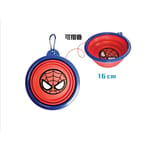
The properties of pet feeding and watering implements vary significantly depending on their intended usage environment or specific conditions. Implements designed for indoor use generally prioritize features such as aesthetic integration with home décor, quiet operation, and stable placement on flooring. Materials chosen for indoor environments might include more delicate finishes or types of plastic that are less resistant to UV degradation but offer a pleasing appearance. For example, some indoor smart feeders incorporate sleek designs and quieter motors. The structural forms might be more compact or designed to fit into specific spaces within a home. Conversely, implements intended for outdoor use or travel emphasize durability, portability, and resistance to environmental factors. Outdoor pet feeding and watering implements are typically constructed from robust, UV-resistant plastics or stainless steel to withstand exposure to sunlight, rain, and temperature fluctuations. Their structural forms often incorporate features like weighted bases to prevent tipping by wind or animals, or secure lids to protect contents from pests and contaminants. Travel-specific implements, such as collapsible silicone bowls or integrated water bottles with dispensing trays, prioritize compactness and ease of transport. These items are designed to be lightweight and may feature carabiner clips for attachment to bags. Another usage condition influencing variation is the type and size of the pet. Larger animals require larger capacity bowls and more robust construction to withstand increased forces during feeding. Smaller pets may benefit from elevated feeders to promote comfortable eating postures. Medical conditions also impose specific usage requirements; for instance, slow feeders are designed for pets prone to rapid consumption, while elevated bowls can be beneficial for older animals with joint issues. The integration of technology, such as Wi-Fi connectivity in smart pet feeding and watering implements, introduces another layer of environmental consideration, requiring stable network access for full functionality. The design and material specifications of pet feeding and watering implements are thus directly tailored to optimize performance within these diverse operational contexts.
Pet Feeding and Watering Implements: Product Characteristics Based on Sales Ranking
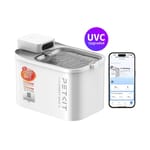
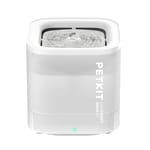
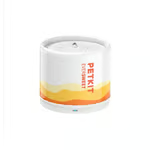
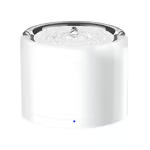
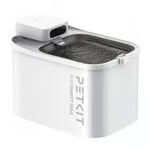
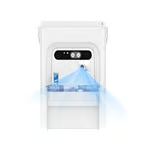
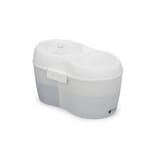
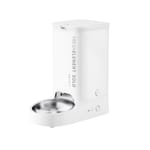
Rank 1: PETKIT Eversweet 3 Pro UVC Sterilization Wireless Smart Pet Water Fountain 1.8L – This device features a 1.8-liter water reservoir constructed from food-grade plastic, typically ABS or PP, with a stainless steel drinking tray. Its primary structural characteristic is the integration of a wireless pump, which operates without direct electrical contact with the water, reducing potential safety hazards. A UVC sterilization module is incorporated within the water circulation path, designed to inhibit microbial growth. The filtration system comprises multiple layers, including a high-density filter screen, activated carbon, and ion-exchange resin, housed within a replaceable filter cartridge. Connectivity features allow for smart control and monitoring. The overall structure is designed for ease of disassembly for cleaning, with the main body and water tank separated from the pump unit.
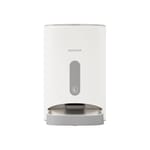
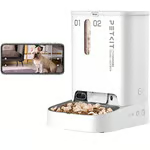
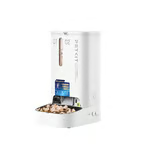
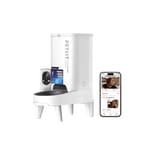
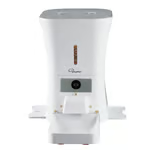
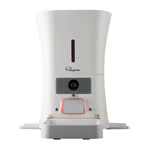
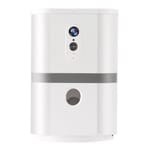
Rank 2: PETKIT YumShare SOLO Smart Pet Feeder (Camera Version) – This smart pet feeding implement has a food storage capacity that varies but typically accommodates dry kibble. The main body and food container are primarily made from ABS plastic, known for its durability. An integrated high-definition camera allows for remote viewing of the pet and feeding area. The dispensing mechanism utilizes an internal auger or rotor system to precisely portion and release food into a stainless steel feeding bowl. A sealing mechanism is often present to maintain food freshness. This feeder is designed for automated, scheduled feeding, controlled via a mobile application. Its structure includes a power input, internal motor, and a sensor system to monitor food levels and dispensing status. The design emphasizes modularity for cleaning.
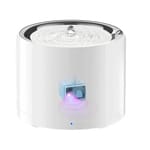
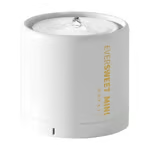
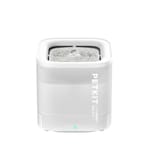
Rank 3: PETKIT Eversweet 3 Pro Wireless Pump Smart Pet Water Fountain White 1.8L – Similar to the UVC sterilization variant, this water fountain features a 1.8-liter capacity with a food-grade plastic reservoir and a stainless steel drinking surface. The core structural attribute is the wireless pump system, which facilitates safer operation and simpler cleaning by eliminating direct electrical wiring within the water tank. The filtration system typically includes a triple-action filter cartridge composed of mesh, activated carbon, and ion-exchange resin, designed to remove particulates, odors, and heavy metals. The unit is powered externally, and its internal structure focuses on quiet water circulation. The white finish is an aesthetic characteristic, not impacting core functionality or material composition compared to other color variants. This pet feeding and watering implement is designed for continuous water provision and air-water separation for oxygenation.
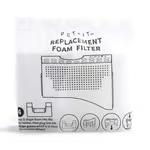
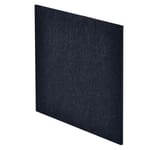
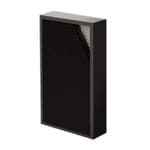
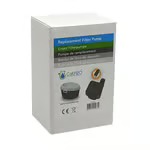
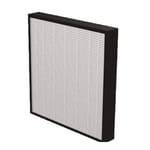
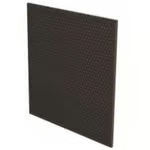
Rank 4: PETKIT Eversweet Triple Filter 3.0 Replacement Pack 5 Pieces – This product consists of a set of five replacement filter cartridges specifically designed for PETKIT Eversweet series water fountains. Each filter cartridge is a multi-layered composite structure. The primary components typically include a cotton mesh layer for filtering larger particles, an activated carbon layer to absorb odors and impurities, and an ion-exchange resin layer to reduce heavy metal ions and soften water. The housing for these filter materials is generally made from food-grade plastic, ensuring compatibility with drinking water systems. The filters are designed for a specific fit within the water fountain's filter compartment, ensuring proper water flow and filtration efficiency. This is a consumable component, essential for maintaining the water quality provided by the associated pet feeding and watering implements.
Rank 5: PETKIT YumShare Gemini Dual-Hopper Smart Pet Feeder (Camera Version) – This smart pet feeding implement is characterized by its dual-hopper design, allowing for the storage and dispensing of two different types of dry kibble. Each hopper typically has its own independent dispensing mechanism, often an auger system, providing precise portion control for each food type. The main body and food storage hoppers are constructed from durable plastic, commonly ABS. An integrated camera provides remote monitoring capabilities. The unit includes a stainless steel feeding bowl, often divided to accommodate the two food types. It operates via smart control, enabling scheduled feeding and portion adjustments through a mobile application. The internal structure comprises two separate food paths, two dispensing motors, and a consolidated control board. This design aims to provide dietary flexibility for pets with specific nutritional needs or for households with multiple pets. This advanced pet feeding and watering implement solution integrates sophisticated technology for comprehensive feeding management.
Pet Feeding and Watering Implements: Quality Standards and Labeling Norms
Quality standards and labeling norms for pet feeding and watering implements are primarily established to ensure product safety, material integrity, and functional performance. While a universal, legally mandated standard akin to those for human food contact materials may not exist across all jurisdictions, manufacturers generally adhere to several recognized guidelines and certifications. For materials that come into direct contact with food or water, such as plastics, ceramics, and stainless steel, compliance with food-grade material specifications is a common practice. In the United States, this often refers to materials deemed Generally Recognized As Safe (GRAS) by the Food and Drug Administration (FDA) or those that meet specific FDA regulations for food contact. In the European Union, materials must comply with Regulation (EC) No 1935/2004 on materials and articles intended to come into contact with food, which ensures they do not transfer their constituents to food in quantities that could endanger human health, change the composition of the food, or deteriorate its organoleptic characteristics. Although these specifically apply to human food, many pet product manufacturers voluntarily adopt these benchmarks for pet feeding and watering implements. For electrical components within smart feeders or water fountains, compliance with electrical safety standards such as those from Underwriters Laboratories (UL) in North America or the CE marking in Europe is essential. These certifications address aspects like insulation, wiring, and protection against electric shock. Labeling transparency typically includes information on the material composition (e.g., "Food-grade ABS," "304 Stainless Steel"), capacity (e.g., "1.8L," "2kg dry food"), power requirements for electronic devices, and cleaning instructions. Some products may also carry certifications related to BPA-free materials or other specific chemical absence claims. Documentation norms include user manuals providing operational guidelines, assembly instructions, and troubleshooting steps. For smart pet feeding and watering implements, this extends to instructions for app installation and connectivity. The presence of such labeling and adherence to these standards provides verifiable information regarding the product's construction and intended safety parameters.
Pet Feeding and Watering Implements: Verifiable Factual Insights
One verifiable factual insight regarding pet feeding and watering implements concerns the material properties of stainless steel. Type 304 stainless steel, frequently utilized in pet bowls and water fountain components, contains a minimum of 18% chromium and 8% nickel. This specific alloy composition provides its characteristic resistance to corrosion, rust, and bacterial adhesion, making it a hygienic choice for food and water contact surfaces. The chromium forms a passive oxide layer on the steel's surface, which self-repairs when damaged, thereby preventing rust. The presence of nickel contributes to its ductility and strength. This material choice is a direct factor in the longevity and ease of maintenance of many pet feeding and watering implements.
Another verifiable factual insight relates to the operational mechanism of some smart pet feeding and watering implements. Many automated dry food dispensers utilize an auger system for portion control. An auger is a helical screw-shaped shaft that rotates within a cylindrical casing. As it rotates, it displaces a precise volume of kibble from a storage hopper into the feeding tray. The rotation speed and duration of the auger are controlled by an internal motor and electronic circuitry, allowing for accurate and consistent portioning. This mechanical principle ensures that the dispensed amount matches the programmed quantity, independent of the kibble's shape or size within design specifications. The precision of this mechanism is a key functional characteristic of advanced pet feeding and watering implements.
The classification of pet feeding and watering implements is based on their structural characteristics, material composition, and functional attributes, providing a framework for understanding their diverse applications in pet care.
......View All