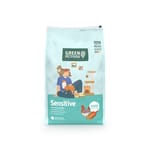
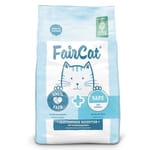
The Green Petfood cat food category offers a diverse range of food options for cats. This category includes products tailored to various dietary requirements, such as the Green Petfood FairCat series, which features formulations considering the specific nutritional needs of felines. Beyond cat food, Green Petfood also provides products designed for dogs, including Insect Dog Sensitive, Insect Dog Mini, and Insect Dog Balance, which are primarily aimed at canines with special dietary considerations. The products within this category are varied, intended to meet the needs of dogs of different sizes and sensitivities; for instance, Veggie dog offers vegetarian alternatives. Consumers can find suitable Green Petfood related products in this classification based on their pet's species, size, and dietary preferences. This category does not involve claims of treating or improving health, but rather offers basic information on various products for reference.
Insect-based cat food refers to formulations for feline consumption that incorporate insect-derived proteins as a primary or significant component of their nutritional profile.
This article aims to describe the structural attributes, material composition, and usage context within the category of insect-based cat food, without recommending specific products or comparing their advantages.
Classifications of Insect-Based Cat Food
Insect-based cat food is commonly divided in practical use or supply contexts based on several attributes, including the primary insect species utilized, the form of the insect inclusion, and the specific dietary purpose of the formulation. One common classification differentiates products by the insect source, such as mealworm, black soldier fly larvae, or cricket, each offering distinct amino acid profiles and fatty acid compositions. Another division stems from the processing of the insect material; some products incorporate whole insect meal, while others may utilize isolated insect protein or insect oil. The application context also drives classification, with formulations designed for general maintenance, sensitive digestion, or specific life stages such as kitten, adult, or senior cats. Furthermore, the presence of other protein sources alongside insects can lead to categories like "single insect protein" or "multi-protein insect-based" formulations. The Green Petfood brand, for example, offers various insect-based cat food options tailored to different needs.
Material Composition and Processing Techniques in Insect-Based Cat Food
The material composition and processing techniques in insect-based cat food exhibit variation across different products. The primary material, insect protein, is typically sourced from farmed insects, such as black soldier fly larvae (Hermetia illucens), mealworms (Tenebrio molitor), or crickets (Acheta domesticus). These insects are cultivated under controlled conditions to ensure safety and nutritional consistency. Following harvesting, the insects undergo processing, which often involves drying, grinding, and defatting to produce insect meal or insect protein concentrate. The choice of processing method impacts the final product's protein content, digestibility, and palatability. For instance, cold pressing may be used to extract insect oil, which is rich in beneficial fatty acids. Other ingredients commonly found in insect-based cat food include plant-based carbohydrates such as potato, pea, or rice, which serve as energy sources and binding agents. Fiber sources like cellulose or psyllium husk are often added to support digestive health. Vitamins, minerals, and amino acid supplements are incorporated to ensure a complete and balanced nutritional profile, adhering to established feline dietary guidelines. The manufacturing process typically involves extrusion, where the mixed ingredients are cooked under high pressure and temperature, then shaped into kibble and dried. This process enhances digestibility and shelf stability. Certain formulations may also include prebiotics or probiotics to further support gut health. The specific ratios of these components and the processing parameters are determined by the manufacturer to achieve the desired nutritional and physical characteristics of the insect-based cat food.
Properties of Insect-Based Cat Food Across Usage Environments
The properties of insect-based cat food can vary across different usage environments or conditions, particularly concerning storage, palatability, and dietary integration. In terms of storage, the low moisture content typical of extruded insect-based cat food kibble contributes to its shelf stability in various climates, provided it is stored in a cool, dry place away from direct sunlight. High humidity environments may necessitate more robust packaging to prevent moisture absorption and subsequent degradation. Palatability, while subjective to individual feline preferences, can be influenced by the aroma and texture of the kibble, which may change slightly in different environmental conditions. Some insect-based cat food products are specifically designed with hypoallergenic properties, making them suitable for cats with sensitivities to common protein sources like chicken or beef. In such contexts, the novel protein source from insects can mitigate adverse reactions. For instance, Green Petfood FairCat Insect-Based Hypoallergenic Formula is developed for cats with specific dietary needs. The integration of insect-based cat food into a cat's diet may also be influenced by prior dietary habits; a gradual transition period is often recommended to allow the cat's digestive system to adapt to the new protein source and ingredient profile. The consistent nutritional composition of insect-based cat food ensures that its fundamental dietary properties remain stable, regardless of external environmental factors, as long as proper storage guidelines are followed. The presence of specific omega fatty acids derived from insect oil can also contribute to coat health, a property that remains consistent across varied usage environments.
Characteristics of Top-Ranking Insect-Based Cat Food Products
This section presents information on insect-based cat food products based on their sales ranking, detailing their material, formulation, and structural characteristics.
Rank 1: Green Petfood FairCat Insect-Based Hypoallergenic Formula 7.5kg (GP7803) — This product features insect protein as the primary animal protein source, specifically derived from Hermetia illucens larvae. The formulation is designed to be hypoallergenic, indicating the exclusion of common allergenic ingredients such as certain grains, soy, and traditional meat proteins. The kibble structure is typically a uniform, extruded dry form, characterized by a specific density and size suitable for adult felines. Additional ingredients often include plant-based carbohydrates like potato or pea, dietary fiber, and a blend of vitamins and minerals to ensure a complete nutritional profile. The fat content is primarily derived from insect oil and supplementary plant oils, providing essential fatty acids. The 7.5kg packaging indicates a bulk format for sustained feeding.
Rank 2: Green Petfood FairCat Insect-Based Hypoallergenic Formula 300g x 5 packs (GP7805) — This product shares the same core material and formulation characteristics as the 7.5kg variant, utilizing insect protein from Hermetia illucens larvae as its main animal protein. The hypoallergenic formulation is maintained, focusing on minimizing common allergens. Structurally, the kibble is identical to the larger format, offering consistent texture and size. The primary distinction lies in the packaging, which consists of five individual 300g packs. This multi-pack format can be advantageous for maintaining freshness over time or for owners who prefer smaller, more manageable portions of insect-based cat food.
Quality Standards and Labeling Transparency for Insect-Based Cat Food
Quality standards and labeling transparency are fundamental aspects of insect-based cat food production and consumer information. Manufacturers of insect-based cat food are typically subject to national and international regulations governing pet food safety and labeling, such as those set by the Association of American Feed Control Officials (AAFCO) in the United States or the European Pet Food Industry Federation (FEDIAF) in Europe. These standards dictate nutrient profiles, ingredient definitions, and permissible contaminants. Quality control measures during insect farming ensure the insects are raised in controlled environments, free from pathogens and undesirable substances. Post-harvest processing also adheres to strict hygiene standards to prevent contamination and preserve nutritional integrity. Labeling transparency requires manufacturers to clearly list all ingredients in descending order by weight, as well as provide a guaranteed analysis of crude protein, crude fat, crude fiber, and moisture content. The source of insect protein, such as "black soldier fly larvae meal" or "insect protein," is explicitly stated. Furthermore, claims such as "hypoallergenic" or "grain-free" must be substantiated and clearly defined on the packaging. Certifications from independent third-party organizations, if applicable, can offer additional assurance regarding specific aspects like organic sourcing or sustainability. Documentation norms often include batch numbers for traceability, allowing manufacturers to track ingredients from source to finished product. The Green Petfood brand, for instance, provides detailed ingredient lists for its insect-based cat food products, reflecting adherence to these transparency principles.
Factual Insights on Insect-Based Cat Food
One verifiable factual insight regarding insect-based cat food pertains to the protein digestibility of insect meal. Studies have shown that protein from certain insect species, such as black soldier fly larvae, can have a digestibility coefficient comparable to or even higher than traditional meat proteins commonly used in pet food. This indicates that a significant proportion of the protein consumed from insect-based cat food is absorbed and utilized by the feline digestive system. The specific amino acid profile of insect proteins is also a point of interest, as it often provides a complete set of essential amino acids required for feline health, fulfilling their carnivorous dietary needs. Another factual insight relates to the sustainability profile of insect farming compared to conventional livestock farming. The production of insect protein typically requires significantly less land, water, and feed, and generates fewer greenhouse gas emissions per unit of protein produced. This environmental efficiency is a key characteristic often associated with the development and use of insect-based cat food. The utilization of insects in pet food also represents a novel protein source, which can be beneficial for cats exhibiting sensitivities or allergies to more common protein ingredients, highlighting a specific application context for insect-based cat food products.
This article has described the structural attributes, material composition, and usage context of insect-based cat food. The information presented is objective and verifiable, focusing on the inherent characteristics of the category.
......View All