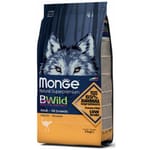
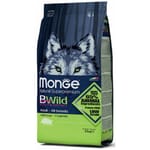
This category page features Monge dog food products, encompassing dry food formulas tailored for various canine life stages and specific needs. Monge dog food is characterized by its diverse ingredient combinations, offering multiple protein sources and nutrients designed to meet dogs' daily energy and growth requirements. The products within this category come in various specifications, including different package sizes and kibble shapes, allowing pet owners to choose based on their dog's size and feeding habits. Furthermore, this page may also include information related to other Monge pet food items, such as Monge cat food or Monge wet food, providing a comprehensive overview of the brand's offerings. These products are formulated to deliver balanced nutrition, supporting the overall well-being of dogs. Through this category, users can browse and compare detailed information for each Monge dog food variant, assisting pet owners in selecting suitable daily dietary options for their canines.
Monge dog food refers to a range of commercially prepared food products formulated for canine consumption, designed to provide comprehensive nutritional support.
This article aims to describe the structural attributes, material composition, and usage context within the Monge dog food category. It does not intend to recommend specific products or provide comparative analyses of advantages.
Monge Dog Food: Categorization by Life Stage and Dietary Needs
Monge dog food products are commonly divided based on the life stage of the canine, reflecting varying nutritional requirements throughout a dog's development. These classifications typically include formulations for puppies, adult dogs, and senior dogs. Puppy formulas are characterized by higher caloric density and increased protein levels to support rapid growth and development. Adult dog maintenance formulas are designed to sustain health and energy levels for mature canines. Senior dog formulas often feature adjusted protein-to-fat ratios, lower calorie counts, and supplemental ingredients aimed at supporting joint health and cognitive function. Beyond life stage, some Monge dog food lines further specialize by addressing specific dietary needs, such as formulations for dogs with sensitivities, or those requiring weight management. These specialized products incorporate specific ingredient profiles or exclusion diets to meet particular health objectives. The structural attributes of these categories are defined by their ingredient lists and guaranteed analysis, which detail the minimum and maximum percentages of crude protein, crude fat, crude fiber, and moisture, alongside specific vitamins and minerals.
Monge Dog Food: Material Composition and Formulation Methods
The material composition of Monge dog food products is diverse, primarily consisting of animal proteins, carbohydrates, fats, vitamins, and minerals. Animal protein sources frequently include chicken, beef, lamb, and fish, serving as primary contributors to essential amino acids necessary for muscle maintenance and overall physiological function. Carbohydrate sources often feature grains like rice and corn, or grain-free alternatives such as peas, potatoes, and lentils, which provide energy. Fats, typically derived from animal sources or plant oils like sunflower oil, are crucial for energy concentration, skin and coat health, and the absorption of fat-soluble vitamins. The formulation methods involve precise blending and extrusion processes. Ingredients are ground, mixed according to specific recipes, and then cooked under high pressure and temperature. This extrusion process creates kibble, which is then dried, coated with additional palatants and nutrients, and packaged. This method ensures uniform distribution of ingredients and enhances digestibility. Certain Monge dog food lines may also incorporate prebiotics, probiotics, and antioxidants to support digestive health and immune function. The selection of specific ingredients and their ratios is determined by the intended dietary purpose of each Monge dog food variant.
Monge Dog Food: Variation Across Usage Environments
The properties of Monge dog food can exhibit variations depending on the environmental context of its usage, primarily impacting aspects like storage stability and palatability. In environments with high humidity, the moisture content of kibble can increase if not properly stored, potentially leading to mold growth or degradation of nutritional integrity. Conversely, extremely dry conditions might cause the kibble to become overly brittle. Temperature fluctuations can also influence the stability of fats and fat-soluble vitamins within Monge dog food, potentially accelerating oxidation if exposed to prolonged heat. For instance, storing Monge dog food in an unsealed container outdoors in a warm, humid climate will result in different physical and chemical properties over time compared to storage in a cool, dry indoor environment. Furthermore, the activity level of a dog, which is a function of its environment, dictates the caloric density required from its Monge dog food. Highly active dogs in outdoor working environments will require a higher energy input than sedentary indoor pets. The physical structure of the kibble, such as its density and hardness, is designed to withstand typical handling and storage conditions, but extreme environmental factors can alter these characteristics. Understanding the interplay between storage conditions, environmental temperature, and the physical attributes of Monge dog food is crucial for maintaining its intended quality and nutritional value.
Monge Dog Food: Product Characteristics from Sales Ranking
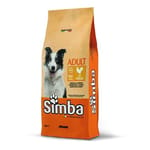
Rank 1: Monge Simba Dog Food Natural Series Adult Formula Chicken 20kg. This formulation is characterized by its primary protein source, chicken, which is a common and highly digestible animal protein. The "Natural Series" designation typically indicates a focus on ingredients free from artificial colors, flavors, and preservatives. The "Adult Formula" signifies a nutritional profile balanced for maintaining the health and energy levels of mature dogs. The 20kg packaging indicates a bulk format, often chosen for larger dogs or multi-dog households. The kibble structure is designed for adult canine dentition.
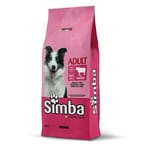
Rank 2: Monge Simba Dog Food Natural Series Adult Formula Beef 20kg. This variant is structurally similar to the top-ranked product but distinguishes itself by utilizing beef as its primary protein source. Beef provides a different amino acid profile compared to chicken and can be preferred for its palatability or as an alternative for dogs with specific sensitivities. Like the chicken variant, it is an "Adult Formula" within the "Natural Series," indicating a similar commitment to natural ingredients and balanced nutrition for adult dogs. The 20kg unit size caters to similar logistical and usage patterns as the chicken variant.
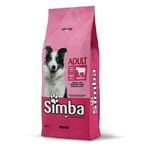
Rank 3: Monge Simba Dog Food Natural Series Adult Formula Beef 10kg. This product shares its material composition with the second-ranked item, featuring beef as the primary protein source within the "Natural Series Adult Formula." The key differentiating characteristic is its packaging size, 10kg. This smaller volume is often selected by consumers with medium-sized dogs or those who prefer to purchase Monge dog food in more manageable quantities for freshness or storage convenience. The nutritional parameters and kibble structure remain consistent with other adult formulas in the series.
Rank 4: Monge Simba Dog Food Natural Series Adult Formula Chicken 10kg. This Monge dog food product mirrors the material composition of the top-ranked item, with chicken as the main protein source, formulated for adult dogs within the "Natural Series." Its distinguishing feature is the 10kg package size, offering a smaller-volume option compared to the 20kg variant. This size is suitable for households with single dogs or those who prefer to rotate their Monge dog food stock more frequently. The formulation principles and kibble design are consistent with the adult chicken formula.
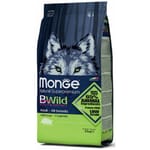
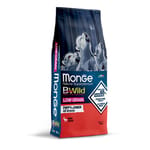
Rank 5: Monge Bwild Dog Food Low Grain Wild Series Puppy Formula Deer 2.5kg. This Monge dog food represents a different product line, "Bwild Low Grain Wild Series," which emphasizes a lower grain content and often incorporates novel protein sources. Deer is the primary protein, offering an alternative for dogs with common protein sensitivities or those requiring a unique dietary profile. The "Puppy Formula" indicates a specific nutritional composition tailored for the high growth and energy demands of young dogs, including appropriate calcium-to-phosphorus ratios. The 2.5kg package size is a common unit for puppy formulas, reflecting their typically lower consumption volume and the need for frequent dietary adjustments during growth. The kibble size and density are often adjusted for puppy dentition and digestion.
Monge Dog Food: Quality Standards and Labeling Transparency
Quality standards for Monge dog food, like other reputable pet food brands, are typically governed by regulations established by national and international bodies. In Europe, this includes adherence to FEDIAF (European Pet Food Industry Federation) nutritional guidelines, which provide comprehensive recommendations for the nutritional content of pet food. These guidelines specify minimum and maximum levels for essential nutrients, ensuring that Monge dog food formulations are nutritionally complete and balanced for various life stages. Labeling transparency is a key aspect of these standards. Each package of Monge dog food provides a guaranteed analysis, itemizing the minimum percentages of crude protein and crude fat, and maximum percentages of crude fiber and moisture. The ingredient list is presented in descending order by weight, allowing consumers to identify the predominant components. Furthermore, products often include a "best before" date, manufacturing lot number, and feeding guidelines based on the dog's weight and activity level. Some Monge dog food variants also carry certifications or claims, such as "natural" or "grain-free," which are typically supported by defined ingredient criteria and manufacturing processes. These detailed labels provide objective information regarding the material composition and intended use of the Monge dog food product.
Monge Dog Food: Factual Insights
One verifiable factual insight regarding Monge dog food, and dry dog food in general, is that the extrusion process, which forms kibble, can significantly enhance the digestibility of certain ingredients, particularly starches. The high heat and pressure involved in extrusion gelatinize starches, making them more accessible to canine digestive enzymes. This process transforms raw ingredients into a more palatable and digestible format. Another insight relates to the "Natural Series" within Monge dog food. The designation "natural" in pet food labeling often refers to the absence of artificial colors, flavors, and preservatives, while permitting the use of synthetically produced vitamins, minerals, and other trace nutrients. This distinction highlights that "natural" typically pertains to the source and processing of primary ingredients rather than an absolute absence of all non-naturally occurring substances. Understanding these aspects provides a clearer perspective on the structural and compositional characteristics of Monge dog food.
This article has described the structural attributes, material composition, and usage contexts of Monge dog food. The information presented is verifiable and objective, focusing on the characteristics of the category without offering recommendations or comparative evaluations of products.
......View All