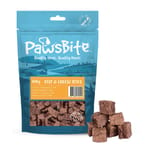
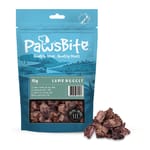
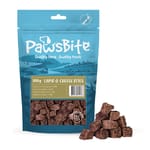
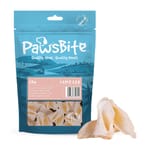
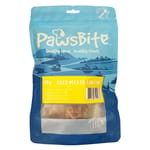
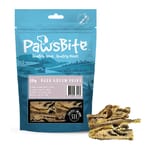
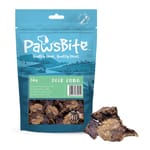
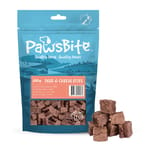
The PawsBite cat and dog treats category encompasses various forms and flavors, designed to cater to the dietary preferences of different felines and canines. Products within this classification include freeze-dried treats, jerky, biscuits, and dental chews, offering a diverse range of options. These treats typically feature meat, vegetables, or fruits as primary ingredients, serving as rewards for daily training or enhancing the variety of a pet's diet. The production of PawsBite cat and dog treats emphasizes ingredient selection and processing methods to ensure product quality and palatability. Treats in this category are suitable for dogs and cats of all ages and sizes, though specific applicability should refer to individual product descriptions. When selecting, one can choose based on a pet's eating habits, health condition, and preferences, as PawsBite cat and dog treats provide numerous items to meet diverse pet needs.
PawsBite pet treats, encompassing both cat and dog varieties, constitute a specialized category within the broader pet food industry, designed to supplement a pet's primary diet rather than serve as a complete nutritional source.
This article aims to describe the structural attributes, material composition, and usage contexts of this category. It does not intend to recommend specific products or provide advice on selection criteria.
Classifying PawsBite Pet Treats: Structural Divides and Applications
The PawsBite pet treats category is commonly divided based on its intended recipient animal, specifically cats and dogs, though many formulations are suitable for both. Further practical divisions emerge from the treat's primary ingredient source, its physical form, and its processing method. For instance, treats can be categorized by their protein base, such as venison, beef, or lamb. The physical form often distinguishes between larger, chewier items designed for dental health or prolonged engagement, and smaller, softer pieces intended for training or quick consumption. Processing methods, including freeze-drying, air-drying, or baking, also contribute to the textural and compositional attributes of PawsBite pet treats. These classifications assist in understanding the diverse applications and characteristics inherent in the product line.
PawsBite Pet Treats: Material Composition and Processing Techniques
The material composition of PawsBite pet treats varies significantly, primarily dictated by the chosen protein source and supplementary ingredients. Common protein sources include muscle meat, organ meat, and sometimes dairy derivatives. For example, some PawsBite pet treats utilize venison, a lean protein, while others incorporate beef or lamb, which may offer different fat profiles. Organ meats, such as lung or stomach, contribute specific nutrient profiles distinct from muscle tissue. Supplementary ingredients often include natural binders, flavor enhancers derived from whole food sources, and sometimes probiotics or other functional components. Processing techniques are fundamental in shaping the final product. Freeze-drying involves removing moisture under vacuum at low temperatures, preserving the raw material's structure and nutrient content. Air-drying gradually removes moisture through airflow, resulting in a chewier texture. Baking involves heat application, which can alter nutrient profiles and create a firmer product. Each method imparts distinct textural properties and influences the stability and shelf life of the PawsBite pet treats.
PawsBite Pet Treats: Properties Across Usage Environments
The properties of PawsBite pet treats exhibit variations depending on their intended usage environment or specific application. For instance, treats formulated as training aids are typically small, easily broken, and palatable, designed for rapid consumption and reward in various training scenarios, from indoor obedience to outdoor agility exercises. Treats intended for dental health often possess a firmer, more abrasive texture to facilitate mechanical cleaning during chewing, and their efficacy can be influenced by the pet's chewing style and duration. Treats designed for enrichment or extended engagement, such as larger chews or those with complex textures, are typically more durable and require longer consumption times, suitable for environments where sustained activity is desired. The moisture content of PawsBite pet treats also plays a role; freeze-dried varieties are lightweight and shelf-stable, making them suitable for travel or outdoor activities where refrigeration is unavailable, while semi-moist options may offer a different palatability profile. The structural integrity of the treat, whether brittle or pliable, impacts its handling and consumption in different environmental conditions.
PawsBite Pet Treats: Product Characteristics Based on Sales Ranking
The following descriptions detail the material, formulation, and structural characteristics of PawsBite pet treats based on their observed sales ranking, without implying any qualitative comparison.
Rank 1: PawsBite Pet Treats Deer Tripe 60g — This product consists primarily of deer tripe, which is a component of the deer's stomach. The tripe is typically processed to reduce moisture content, often through methods such as air-drying or freeze-drying, resulting in a firm yet pliable texture. Its anatomical origin provides a unique textural profile due to the muscular and connective tissue structure of the organ. The processing maintains the inherent fibrous nature of the tripe.
Rank 2: PawsBite Pet Treats Deer Lung Cubes 50g — Composed of deer lung tissue, this treat is often presented in a cubed form. Lung tissue is characterized by its porous, lightweight, and somewhat spongy structure. The processing method, commonly freeze-drying, removes water while largely preserving the cellular integrity and airy texture of the lung, resulting in a low-density product that can be easily broken or consumed. The cube form facilitates portion control.
Rank 3: PawsBite Pet Treats Cheese Deer Meat Cubes 100g — This formulation combines deer meat with cheese. Deer meat provides a lean protein base, while cheese contributes dairy proteins and fats, along with a distinct flavor profile. The product is typically presented as small cubes, suggesting a manufacturing process that involves grinding and forming the ingredients, followed by a drying or baking stage. The inclusion of cheese can alter the texture, potentially making the cubes softer or more crumbly compared to pure meat products, depending on the cheese type and ratio.
Rank 4: PawsBite Pet Treats Beef Cheese Cubes 100g — Similar to the deer variant, this product features beef as its primary meat component, combined with cheese. Beef offers a different amino acid profile and fat content compared to venison. The manufacturing process likely involves grinding beef and cheese, forming them into cubes, and then drying or baking. The texture would be influenced by the fat content of the beef and the type and proportion of cheese used, resulting in a chewable, formed product.
Rank 5: PawsBite Pet Treats Lamb Lung Cubes 45g — This treat is made from lamb lung, presented in cubed form. Lamb lung shares structural similarities with deer lung, being porous and lightweight. The processing method, typically freeze-drying, aims to retain the natural, airy texture of the lung tissue. The cubes are designed for easy consumption and portioning, and the lamb protein provides an alternative to other protein sources in the PawsBite pet treats line.
PawsBite Pet Treats: Quality Standards and Labeling Norms
The quality standards and labeling norms for PawsBite pet treats are governed by regulatory frameworks applicable to pet food products. These frameworks typically mandate specific requirements for ingredient sourcing, manufacturing processes, and product labeling to ensure product safety and accurate representation. Ingredient lists are required to declare all components in descending order by weight, providing transparency regarding the material composition of PawsBite pet treats. Nutritional analysis, often presented as guaranteed analysis, specifies minimum percentages of crude protein and crude fat, and maximum percentages of crude fiber and moisture. This quantifiable data allows for an objective assessment of the treat's macronutrient profile. Manufacturing facilities are often subject to inspections and adherence to Good Manufacturing Practices (GMPs) to maintain hygiene and product consistency. Labeling also includes instructions for storage, lot numbers for traceability, and a "best by" date, which indicates the period during which the product retains its optimal characteristics. Compliance with these standards ensures that consumers receive verifiable information about the PawsBite pet treats they consider.
PawsBite Pet Treats: Verifiable Factual Insights
One verifiable factual insight regarding PawsBite pet treats, and pet treats in general, is that organ meats, such as lung and tripe, often contain a higher concentration of certain vitamins and minerals compared to muscle meats. For example, liver is rich in Vitamin A and iron, while lung provides a good source of protein and some B vitamins. Another factual insight relates to the processing method of freeze-drying. This technique, by removing nearly all moisture, significantly reduces the water activity of the product, which is a key factor in inhibiting microbial growth. This characteristic allows freeze-dried PawsBite pet treats to have an extended shelf life without requiring artificial preservatives, provided they are stored in an airtight container away from moisture and direct sunlight.
This article has provided an overview of the PawsBite pet treats category, discussing its classification, material composition, usage variations, and adherence to quality standards. The information presented is descriptive and objective, without offering any form of recommendation or selection guidance.
......View All