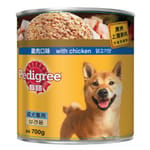
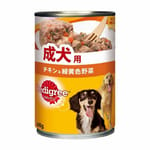
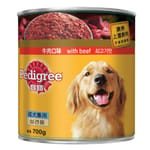
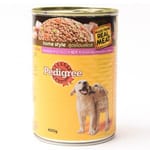
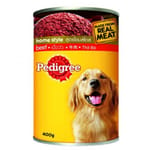
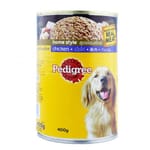
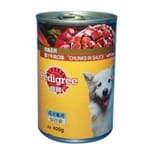
This category page features a selection of Pedigree dog wet food products, offering various meal options for canines in wet form. These canned foods typically comprise ingredients such as meat, vegetables, and grains, formulated to provide dogs with their daily nutritional requirements. Dog wet food comes in a variety of flavors and textures, suitable for serving as a main meal or as an accompaniment to dry kibble, enhancing a dog's palatability and water intake. Some Pedigree dog wet food products are tailored with specific formulas based on a dog's age, size, or particular needs, such as recipes for puppies, adult dogs, or senior dogs, alongside options with different protein sources. When choosing Pedigree dog wet food, consumers can select appropriate products based on their dog's dietary preferences and nutritional requirements to ensure a balanced diet. The convenience of storage and ready-to-serve nature of canned food also makes it a popular choice for many pet owners in preparing dog meals.
Pedigree canned dog food is a category of commercially prepared pet food products, typically consisting of moist ingredients sealed in an airtight container for preservation.
This article aims to describe the structural attributes, material composition, and usage context within this category, focusing on objective and verifiable information without providing purchase recommendations or comparative analyses.
Pedigree Canned Dog Food: Classifications by Formulation and Intended Use
The classification of Pedigree canned dog food often reflects its intended dietary purpose or the specific life stage of the canine recipient. One primary division separates products formulated for adult dogs from those designed for puppies. Adult dog formulas typically address the maintenance needs of mature canines, providing a balanced nutritional profile for ongoing health. Puppy formulas, conversely, are engineered to support the accelerated growth and developmental requirements of young dogs, often featuring higher calorie counts and specific nutrient ratios to facilitate bone development, muscle growth, and cognitive function. Another common classification distinguishes between complete and complementary foods. Complete canned dog foods are formulated to provide all necessary nutrients for a dog's daily diet, meaning they can serve as the sole source of nutrition. Complementary foods, however, are intended to be fed alongside other food sources, such as dry kibble, and may not contain a full spectrum of essential nutrients. These complementary options might be used as toppers, treats, or to enhance palatability. Furthermore, some Pedigree canned dog food products are categorized by their primary protein source, such as chicken or beef, which can cater to dietary preferences or address specific sensitivities. This categorization by protein type is a direct reflection of the main ingredient content and contributes to the product's overall nutritional profile. The physical form of the food within the can can also serve as a classification metric, differentiating between paté, chunks in gravy, or slices in jelly, each offering a distinct texture and presentation that may appeal differently to various dogs. The size of the canning unit is another practical classification, with smaller cans often marketed for single servings or smaller breeds, and larger cans for multiple servings or larger dogs. Understanding these classifications helps in navigating the structural characteristics of Pedigree canned dog food offerings.
Pedigree Canned Dog Food: Material Composition and Processing Techniques
The material composition of Pedigree canned dog food is typically centered around a primary protein source, often derived from animal tissues. Common protein ingredients include various forms of chicken, beef, or other meat derivatives, which provide essential amino acids for canine health. These protein components are frequently combined with sources of carbohydrates, such as grains (e.g., corn, wheat) or vegetables (e.g., peas, carrots), which supply dietary fiber and energy. Fats, sourced from animal fats or vegetable oils, are also integral to the composition, acting as a concentrated energy source and facilitating the absorption of fat-soluble vitamins. Vitamins and minerals are added to ensure a complete nutritional profile, adhering to established dietary guidelines for dogs. Water constitutes a significant portion of the product's weight, contributing to its moist texture and aiding in hydration. Gelling agents or thickeners, such as carrageenan or guar gum, are often incorporated to achieve the desired consistency and bind the ingredients together. The manufacturing process for Pedigree canned dog food involves several stages. Initially, raw ingredients are prepared, which may include grinding meats, chopping vegetables, and mixing dry components. These ingredients are then combined into a homogeneous mixture. This mixture is filled into metal cans, which are subsequently sealed. A critical step is the thermal processing, or retort sterilization, where the sealed cans are subjected to high temperatures and pressure for a specific duration. This process serves to destroy harmful microorganisms, ensuring the product's sterility and extending its shelf life without the need for refrigeration until opened. The precise temperature and duration of retort sterilization are carefully controlled to achieve microbial safety while minimizing nutrient degradation. After sterilization, the cans are cooled, labeled, and prepared for distribution. The specific formulation of Pedigree canned dog food dictates the proportion of each ingredient, influencing the final nutritional content and physical attributes of the product. The selection of ingredients and the processing methodology are designed to produce a stable, palatable, and nutritionally adequate food source for dogs.
Pedigree Canned Dog Food: Properties Across Usage Environments
The properties of Pedigree canned dog food can exhibit variations depending on the environmental conditions in which it is stored or consumed. Prior to opening, the hermetically sealed nature of the can maintains the product's sterility and preserves its nutritional integrity. This sealed environment protects the contents from atmospheric oxygen, moisture, and microbial contamination, allowing for extended shelf life at ambient temperatures. Storage in extremely hot or cold environments, however, can induce physical or chemical alterations. Prolonged exposure to high temperatures may accelerate certain chemical reactions within the food, potentially affecting nutrient stability or altering texture, though the thermal processing during manufacturing is designed to mitigate significant degradation under normal storage conditions. Conversely, freezing temperatures can cause the water content to expand, potentially compromising the can's seal or altering the food's texture upon thawing. Once a can of Pedigree canned dog food is opened, its properties change significantly due to exposure to air and microorganisms. The food becomes susceptible to oxidation, which can lead to changes in flavor and nutrient degradation, particularly for fats and certain vitamins. Bacterial growth also commences upon exposure, necessitating refrigeration to slow spoilage. The moisture content, a defining characteristic of canned food, contributes to its palatability and can aid in a dog’s hydration, especially in environments where water intake might be lower. In humid environments, the exposed food may absorb additional moisture from the air, while in arid conditions, it might dry out more rapidly if left uncovered. The physical consistency of the food, whether chunks in gravy or paté, influences how it can be served and how quickly it might dry out or become unappetizing once exposed. The inherent stability provided by the canning process ensures that Pedigree canned dog food remains a consistent and reliable food source across a broad range of typical household environments, provided appropriate handling after opening. These environmental interactions highlight the importance of adhering to storage guidelines printed on the packaging to maintain product integrity.
Pedigree Canned Dog Food: Product Characteristics by Sales Ranking
This section details the material and formulation characteristics of Pedigree canned dog food products based on their reported sales ranking, focusing purely on objective attributes.
Rank 1: Pedigree Canned Dog Food Chicken Flavor 700g — This product is characterized by its primary protein source, chicken. It is formulated as a moist food product, with a net weight of 700 grams. The formulation includes a combination of meat and animal derivatives, cereals, vegetable protein extracts, minerals, and various sugars. Water constitutes a significant portion of its composition, contributing to the typical moist texture associated with canned dog food. The chicken flavor indicates the predominant palatability profile. The consistency is generally that of chunks in gravy or a similar moist matrix, designed for easy consumption by adult dogs. The product undergoes retort sterilization for preservation.
Rank 2: Pedigree Canned Dog Food Beef Flavor 700g — This variant features beef as its main protein component. Similar to the chicken flavor, it is packaged in a 700-gram can and presents as a moist food. Its ingredient list typically comprises beef and other meat/animal derivatives, alongside cereals, vegetable protein extracts, minerals, and sugars. The beef flavor dictates the sensory profile. The formulation is structured to provide a complete and balanced diet for adult dogs, with a consistency that is uniform and easily digestible. The preservation method involves thermal processing within the sealed can.
Rank 3: Pedigree Canned Dog Food Chicken, Vegetable, and Liver 700g — This Pedigree canned dog food product combines chicken, various vegetables, and liver as key ingredients. The inclusion of vegetables such as carrots or peas provides additional dietary fiber and specific vitamins. Liver contributes a distinct flavor profile and is a source of certain micronutrients. The 700-gram format indicates a standard adult portion size. The formulation balances protein from chicken and liver with carbohydrates and fiber from vegetables. This product exhibits a moist, heterogeneous texture due to the distinct vegetable pieces, embedded within a meat-based gravy or paté. Its composition is designed for adult dogs, undergoing the standard canning and sterilization process.
Rank 4: Pedigree Canned Dog Food Puppy Formula 400g — Specifically formulated for puppies, this 400-gram Pedigree canned dog food product is designed to meet the elevated nutritional requirements of growing young dogs. The ingredient profile typically includes higher levels of protein and fat compared to adult formulas, supporting rapid development. Key components may include chicken or beef, alongside cereals, oils, fats, and a fortified vitamin and mineral blend crucial for bone and muscle growth. The texture is often softer or more finely ground to facilitate easier consumption and digestion by puppies. The smaller can size is appropriate for the feeding requirements of younger, smaller animals. The formulation accounts for specific nutrient ratios recommended for canine development, and it is also preserved through retort sterilization.
Rank 5: Pedigree Canned Dog Food Beef Flavor 400g — This 400-gram Pedigree canned dog food product is a smaller-sized offering of the beef-flavored variant. Its primary protein source is beef, and its composition mirrors that of the larger beef-flavored cans, including meat and animal derivatives, cereals, vegetable protein extracts, minerals, and sugars. The smaller volume makes it suitable for single servings for smaller adult dogs or for portion control. The texture is moist, consistent with typical canned dog food, and the beef flavor is the defining characteristic. This product also undergoes thermal processing for preservation, ensuring sterility and extended shelf life.
Pedigree Canned Dog Food: Quality Standards and Labeling Norms
The manufacturing and labeling of Pedigree canned dog food adhere to verifiable quality standards and regulatory frameworks established by national and international authorities. In many regions, pet food products, including canned dog food, are subject to stringent regulations concerning ingredient sourcing, processing, and nutritional claims. Organizations such as the Association of American Feed Control Officials (AAFCO) in the United States or the European Pet Food Industry Federation (FEDIAF) in Europe provide guidelines for nutrient profiles, ingredient definitions, and labeling requirements. These guidelines ensure that products like Pedigree canned dog food are nutritionally complete and balanced for their intended life stage, such as adult maintenance or puppy growth. A key aspect of labeling transparency is the ingredient list, which typically presents components in descending order by weight. This allows consumers to identify the primary constituents of the Pedigree canned dog food. Nutritional analysis, often presented as a guaranteed analysis, specifies minimum percentages of crude protein and crude fat, and maximum percentages of crude fiber and moisture content. This information is critical for understanding the product's macronutrient profile. Furthermore, labels often include feeding guidelines based on a dog's weight and activity level, though these are general recommendations. Manufacturing facilities producing Pedigree canned dog food are typically subject to regular inspections to ensure compliance with good manufacturing practices (GMPs), which cover hygiene, quality control, and traceability. Lot numbers and expiration dates are mandatory elements on packaging, enabling product tracking and ensuring products are consumed within their optimal freshness period. Claims such as "complete and balanced" are only permitted if the product meets specific nutrient profiles as defined by regulatory bodies or has undergone feeding trials. The objective is to provide consumers with verifiable information regarding the composition and nutritional adequacy of Pedigree canned dog food, fostering informed decisions based on factual data.
Pedigree Canned Dog Food: Factual Insights
A verifiable factual insight concerning Pedigree canned dog food relates to the function of its canning process. The metal can and the hermetic seal are not merely containers; they are integral components of a preservation method known as retort sterilization. This process involves heating the sealed cans to temperatures typically exceeding 100°C (212°F) under pressure for a predetermined duration. This high-temperature, high-pressure environment effectively eliminates pathogenic bacteria, spoilage microorganisms, and their spores, rendering the food commercially sterile. This sterility is what allows Pedigree canned dog food to remain shelf-stable for extended periods, often years, without refrigeration, provided the can remains intact and undamaged. The absence of oxygen within the sealed can also prevents oxidative degradation of nutrients and fats. Another factual insight pertains to the moisture content of Pedigree canned dog food. Typically, canned dog food contains approximately 70-85% moisture. This high water content distinguishes it significantly from dry kibble, which usually has a moisture content of around 10%. This difference in moisture content directly impacts the caloric density per gram, with dry food generally being more calorically dense by weight. The high moisture level in Pedigree canned dog food contributes to its softer texture and can be a factor in canine hydration, as a portion of a dog's daily water intake can come from their food. This characteristic also influences portion sizing and the sensation of fullness in dogs.
The preceding sections have provided a detailed description of Pedigree canned dog food, encompassing its primary classifications, material composition, processing techniques, environmental interactions, and characteristics based on sales ranking, along with relevant quality standards and factual insights. This information is presented to enhance understanding of the category's structural and compositional attributes.
......View All